
Cheryl Nenn is the Riverkeeper with Milwaukee Riverkeeper. In fall of 2025, Cheryl reached a 20-Year Monitoring Milestone with the WAV program for her long-time professional commitment to Milwaukee’s River Basin. She has been instrumental in piloting monitoring programs through her job, from baseline to phosphorus to PFAS.
Read the post written by Cheryl below about her monitoring work the past 20 years.
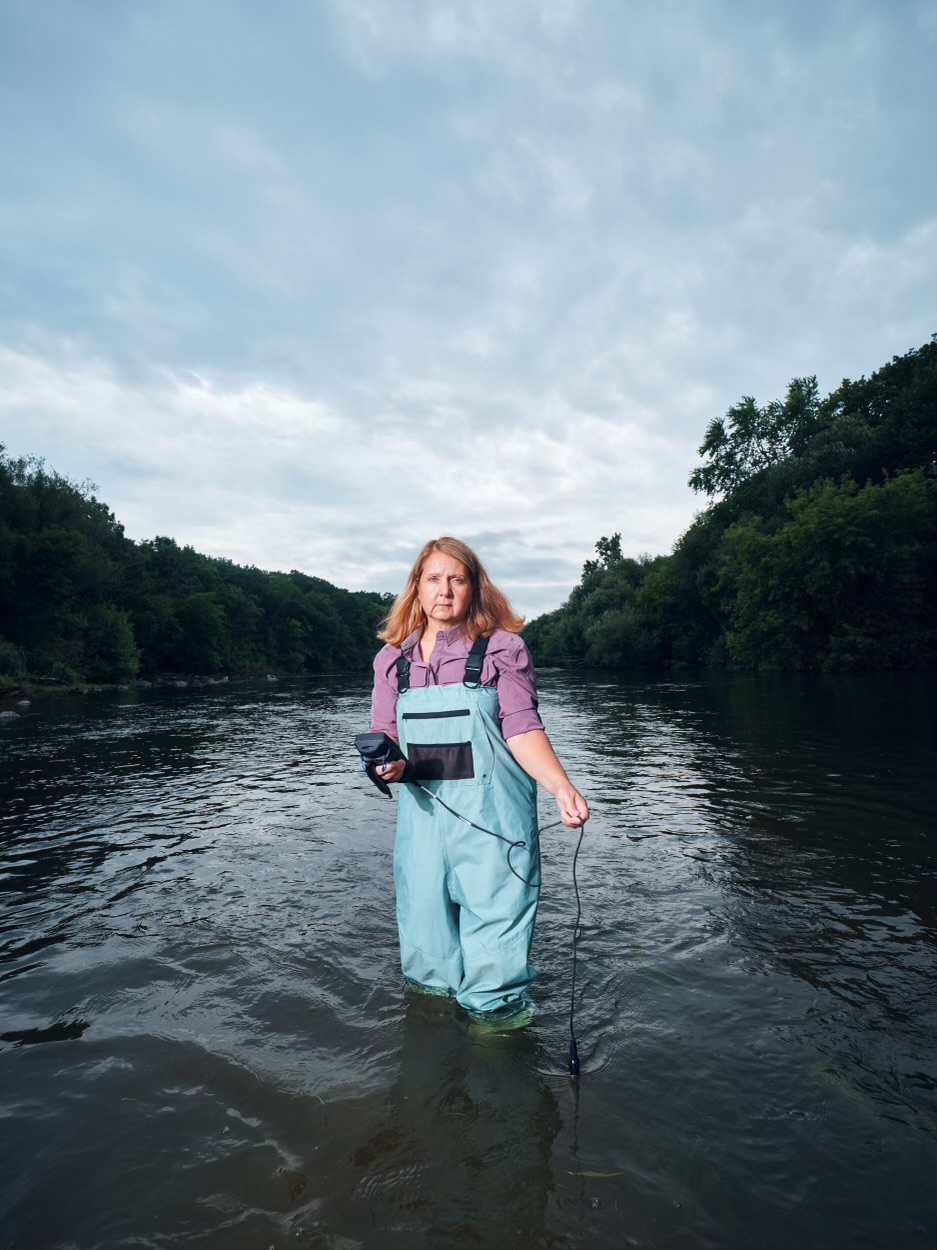
Cheryl Nenn
By Cheryl Nenn
For the last 20 years, I have monitored the baseline water quality of Pigeon Creek and Mee-Kwon Creek in Southeast Wisconsin. I currently serve in my professional role as Riverkeeper with Milwaukee Riverkeeper, a science-based advocacy organization working to protect water quality and wildlife habitat and advocate for sound land management in the Milwaukee River Basin. As Riverkeeper, I identify problems affecting Milwaukee’s rivers, respond to community concerns, and work with various partners, such as the Wisconsin Department of Natural Resources (WDNR), to find solutions to problems affecting the city’s rivers.
I started at Milwaukee Riverkeeper (then Friends of Milwaukee’s Rivers) in 2003. Building on my background as a biologist, I began assessing the status of community water quality monitoring programs in the Milwaukee River Basin. At the time, six sites were actively being monitored in the Milwaukee River Basin as part of the Water Action Volunteers (WAV) program. But there wasn’t a common monitoring protocol being used yet nor a structured community monitoring program.
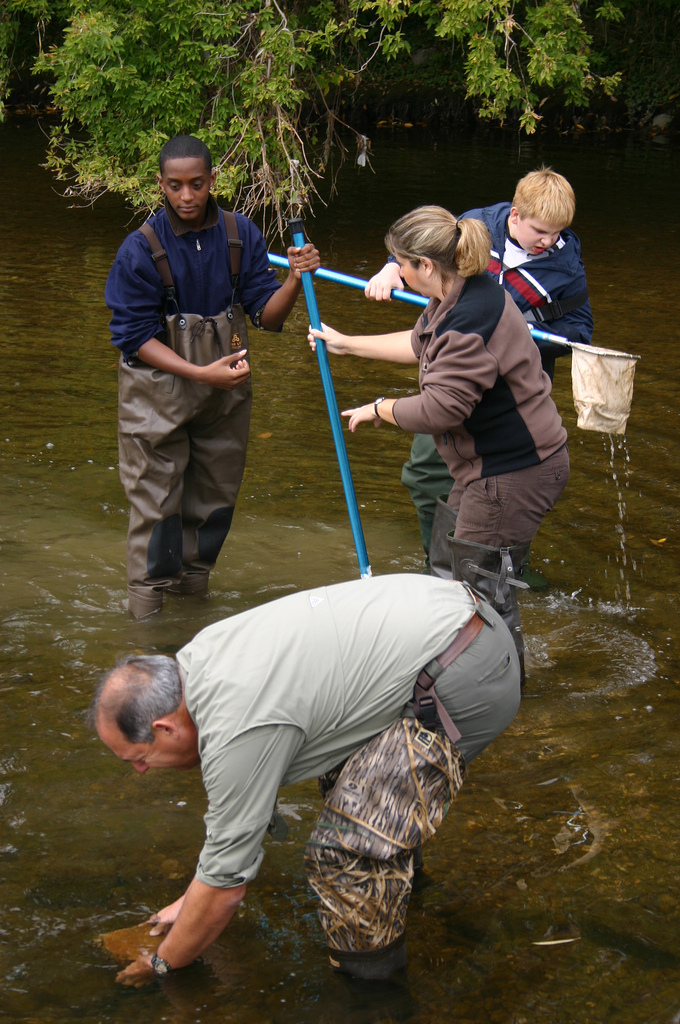
I also developed and implemented a high school curriculum at six high schools along the Milwaukee River as part of a Wisconsin Coastal Management Grant. The curriculum included baseline water quality monitoring and wildlife monitoring in the river corridors, such as mammal tracking, bird point counts, and installing remote wildlife cameras (which were quite pricey at the time and all stolen!). I also reached out to the WDNR for water quality monitoring resources and training resources to start a more formalized stream monitoring program to engage local residents and organizational members.
Fortuitously, in 2005, the WDNR was significantly expanding its citizen-based monitoring program to use volunteer data to help assess the state’s water quality management decisions. In 2005-2006, I attended several meetings and a retreat in Manitowish Waters to inform the WDNR’s tiered monitoring strategy for volunteers, which ranged from basic monitoring under the WAV program (Level 1) to more complex status and trends monitoring (Level 2) to specialized projects (Level 3). I myself have been involved with Level 3 projects focused on monitoring protocols for total phosphorus and chloride.
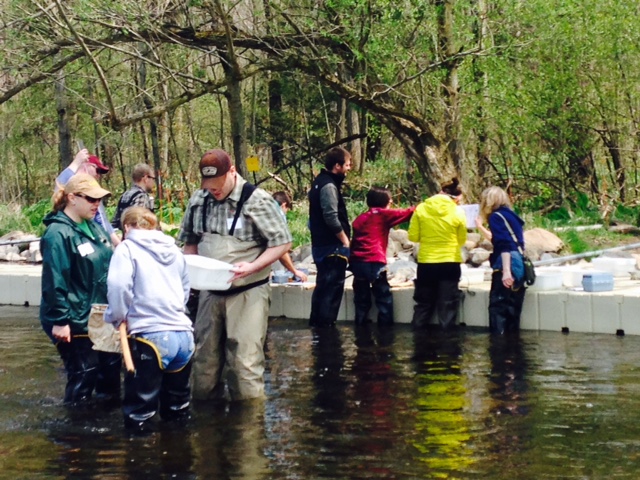
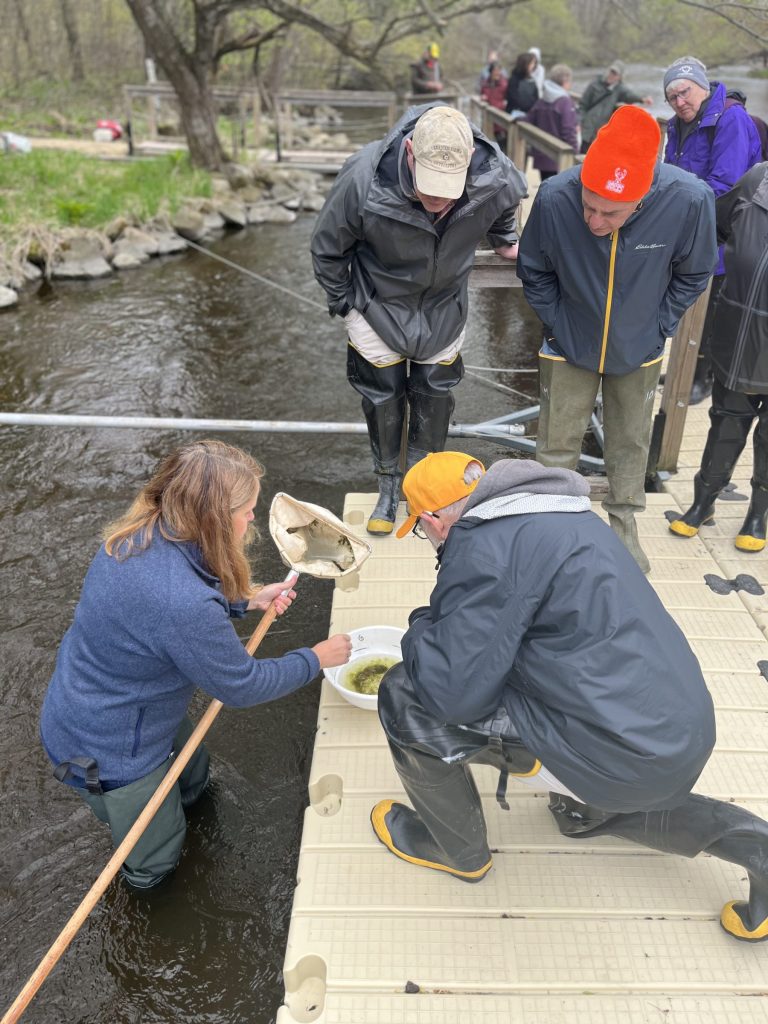
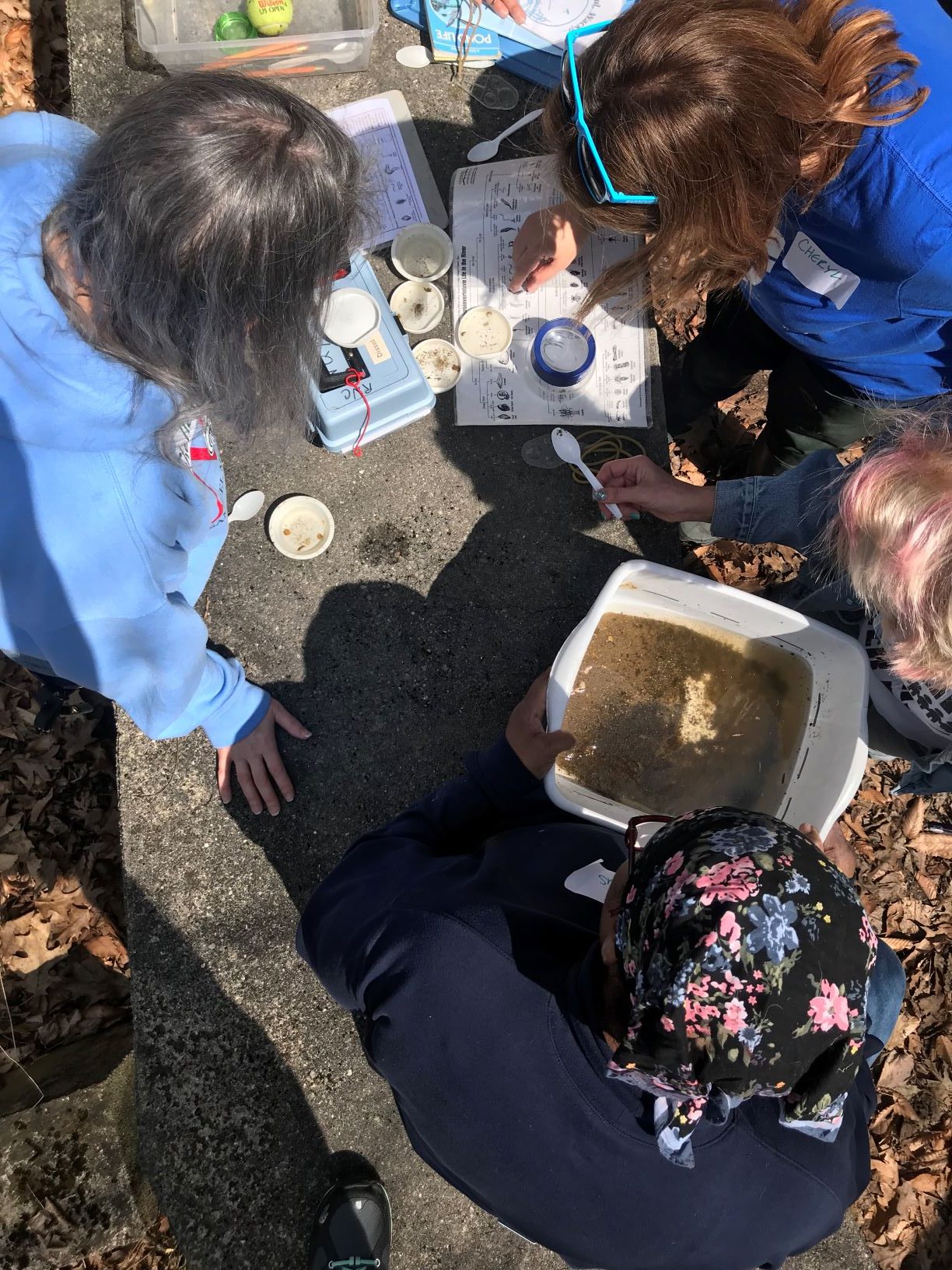
In 2006, I conducted two baseline water quality trainings along with WDNR and UW–Extension staff at the Washington County offices in West Bend and at Havenwoods Nature Center in Milwaukee. We then trained 12 advanced water quality monitors (DNR Level II) and 33 WAV volunteers on how to test for dissolved oxygen, temperature, turbidity, and pH, as well as stream flow and macroinvertebrates. That baseline monitoring program has continued to improve and expand over the years, including adding additional staff. In 2025, Milwaukee Riverkeeper had 103 total volunteers, 68 Level 2 volunteers and 35 WAV volunteers, testing water quality monthly at 112 locations. Milwaukee Riverkeeper has also expanded its programming to include PFAS monitoring in recent years.
The happiest part of my job is the time I spend in the stream monitoring water quality, looking for macroinvertebrates and freshwater mussels, searching for fish and mink, being splashed by migrating steelhead and salmon, and talking to people passing by my sites along the Ozaukee Interurban Trail.