
Become a Coordinator
Become a Local WAV Coordinator!
Water Action Volunteers is a statewide volunteer stream monitoring program in Wisconsin. As a result, the program relies heavily on our local WAV Coordinators, who are affiliated with local organizations or watershed groups, to engage, train, and support stream volunteers. The primary role of WAV staff at Extension is to support our local coordinators!
Who can be a Local WAV Coordinator?
Typically local WAV Coordinators are affiliated with an organization – it could be a friends group, a non-profit organization, an educational institution, or a county or city government agency. Local coordinators may be volunteers or paid staff of the organization.
What’s most important is that the local coordinator has the capacity to support and train volunteers, and that there is someone able to fill the role and continue supporting the volunteers if the local coordinator leaves the organization.
The WAV Program currently supports over 50 local groups and organizations who recruit, train, and engage volunteer stream monitors across Wisconsin.
*Note – we also support local aquatic invasive species coordinators who participate in our Project RED and AIS Snapshot Day programs!
What is the Role of a Local WAV Coordinator?
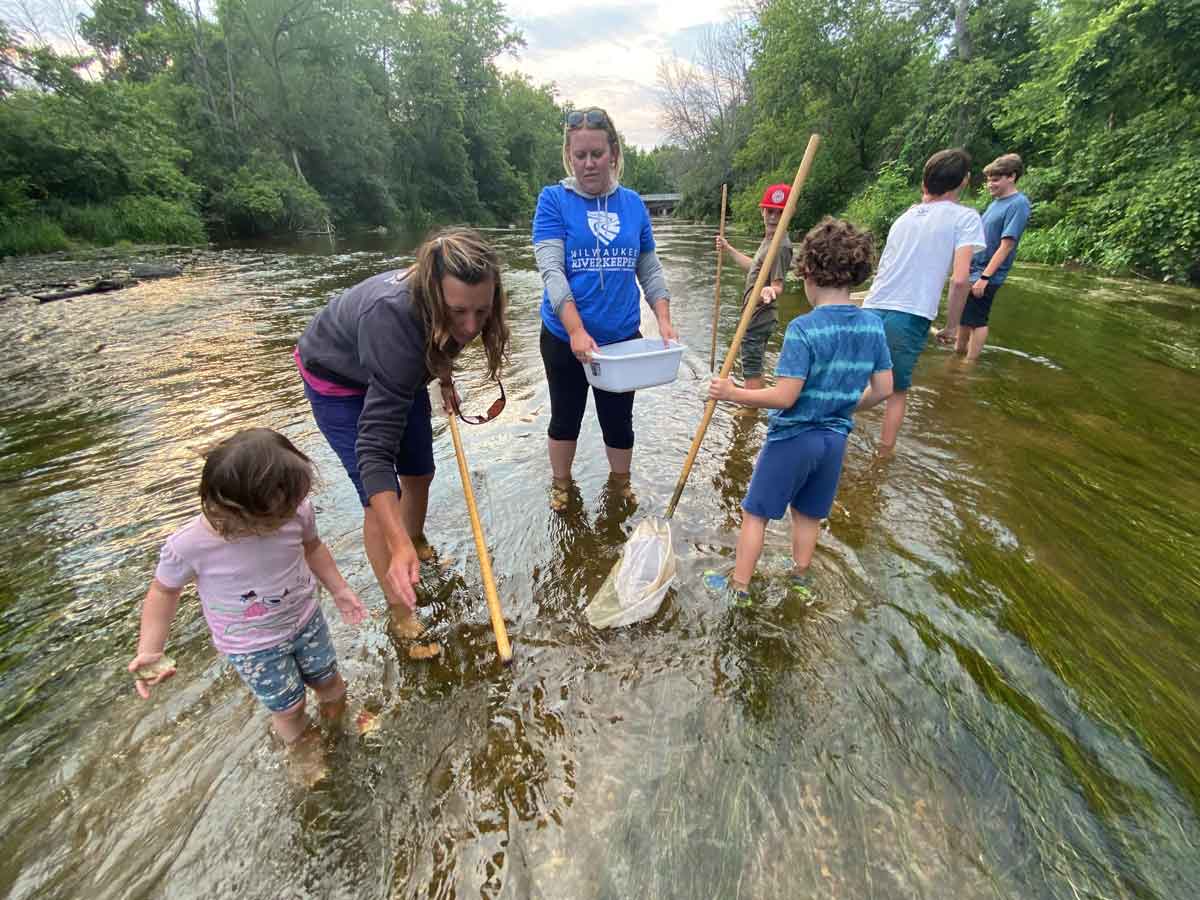
The role of a local WAV stream monitoring coordinator varies depending on the capacity of the individual coordinator or organization. Here is a basic guide for what many local coordinators do to support volunteer stream monitoring in their area:
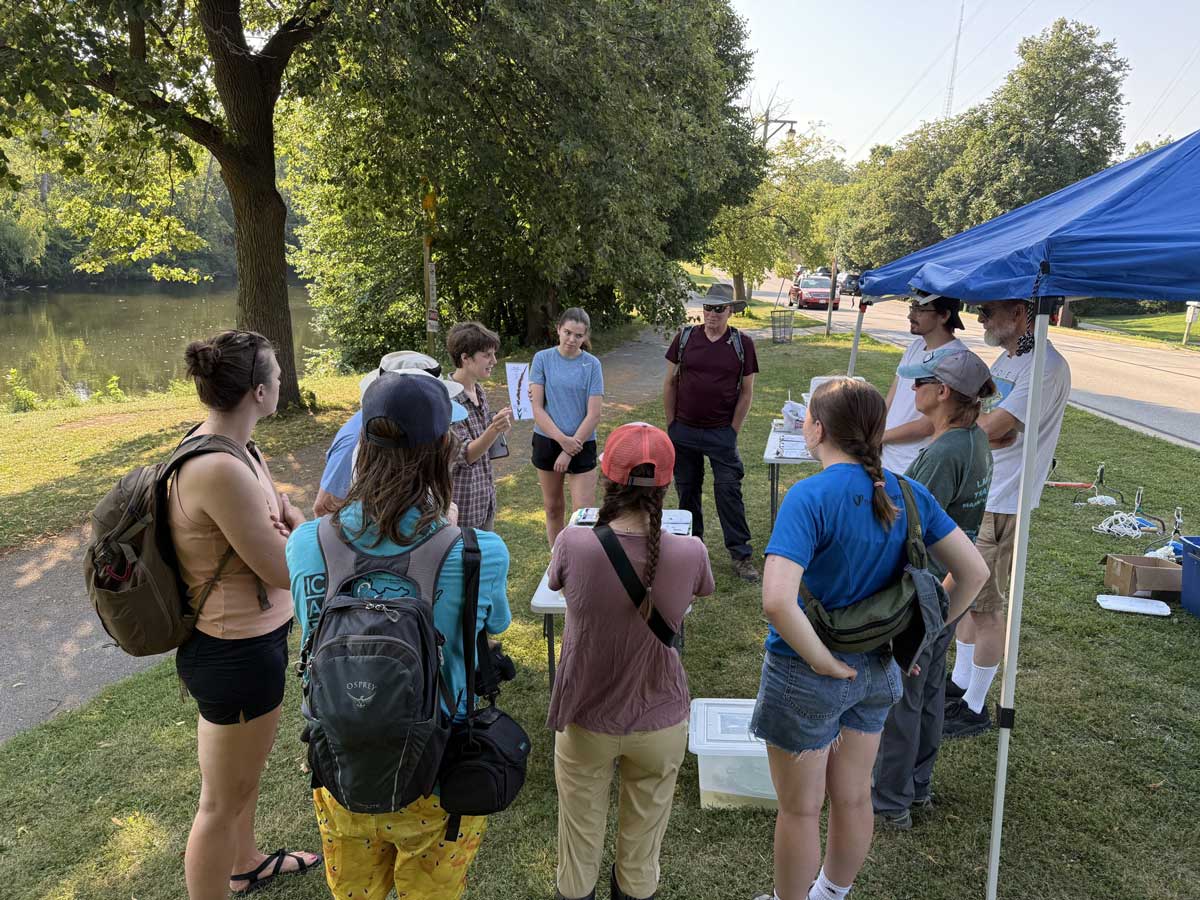
- Teach stream monitoring trainings, either one-on-one or group trainings. (WAV staff will train you on our approved methods and can provide you with teaching resources!)
- Keep track of your stream monitoring volunteers. Stay in contact with local volunteers once they are trained to answer questions and provide support and encouragement.
- Maintain and distribute monitoring equipment to volunteers – request supply refills from WAV staff.
- Help volunteers locate priority monitoring sites, in collaboration with WAV staff and the local DNR stream biologist.
- Review volunteer data for data quality and proper methods, in collaboration with WAV staff. Provide refresher training for volunteers as needed.
- (optional) Bring local volunteers together to learn, connect, do stewardship activities, and celebrate their work! This can increase volunteer engagement and give volunteers more reasons to return year after year.
- (optional) As your monitoring effort grows, apply for external grants and funding to purchase additional monitoring supplies beyond the supplies initially provided by the WAV program.
What Aspects of Stream Monitoring do We Support?
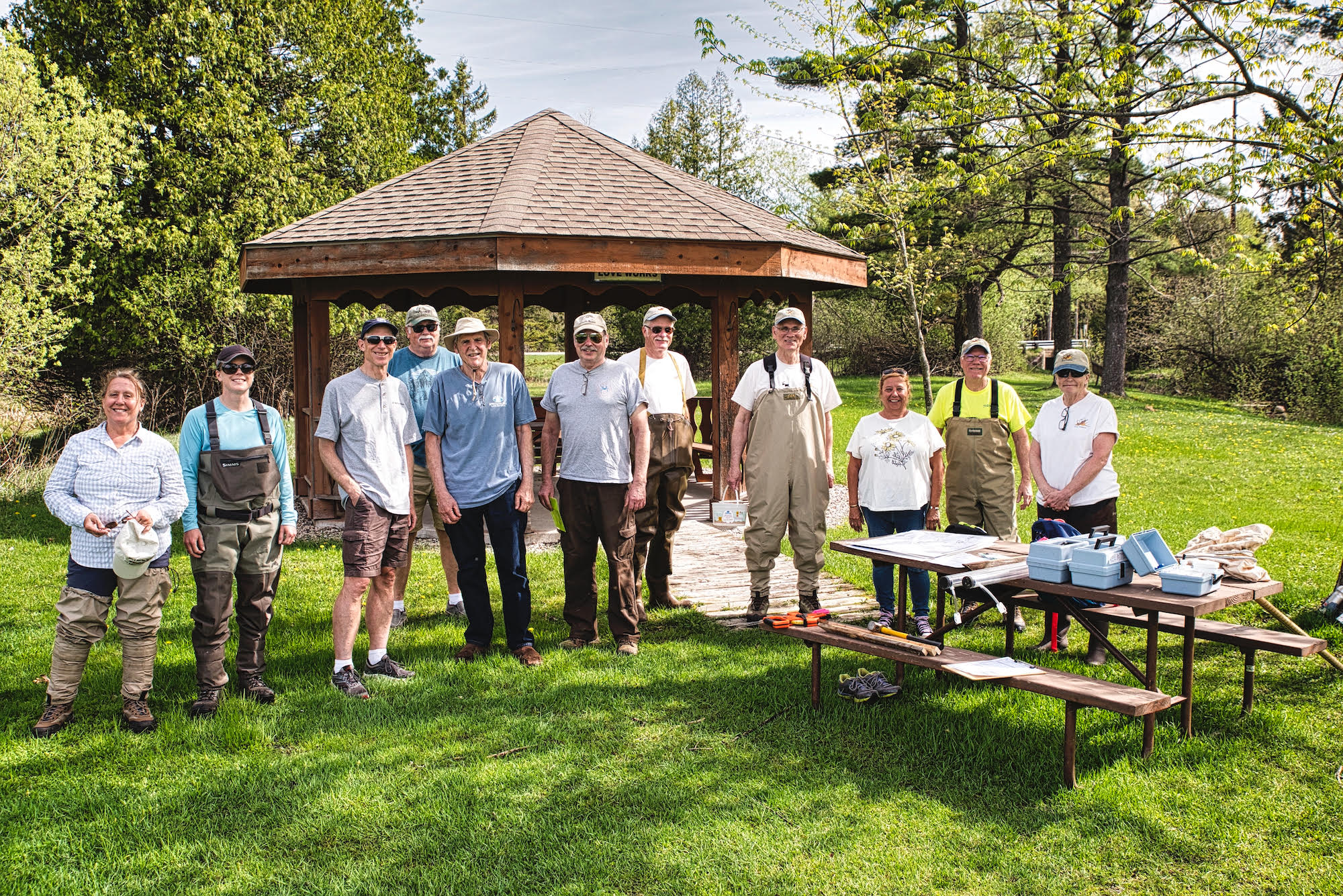
Local WAV Coordinators may organize volunteers around any of our monitoring programs, though most groups start organizing around our baseline water quality monitoring and aquatic invasive species monitoring programs. These programs are most open and accessible to new volunteers.
WAV staff can provide you and your new volunteers with free training and monitoring supplies to get started.
Interested?
Please contact us to talk about your monitoring goals and how we can support your organization!