
Become a Volunteer
Welcome to WAV!
Anyone can be a stream monitoring volunteer. WAV monitors come from different backgrounds and volunteer for different reasons, but they all share a commitment to protecting Wisconsin’s streams and rivers. You don’t need to be a scientist to join—we’ll train you and give you the equipment, too!
New WAV volunteers can get started by training to do Baseline Monitoring or Aquatic Invasive Species monitoring with Project RED. No experience is necessary. We recommend ages 10 and older for getting involved in monitoring – youth must be accompanied by an adult.
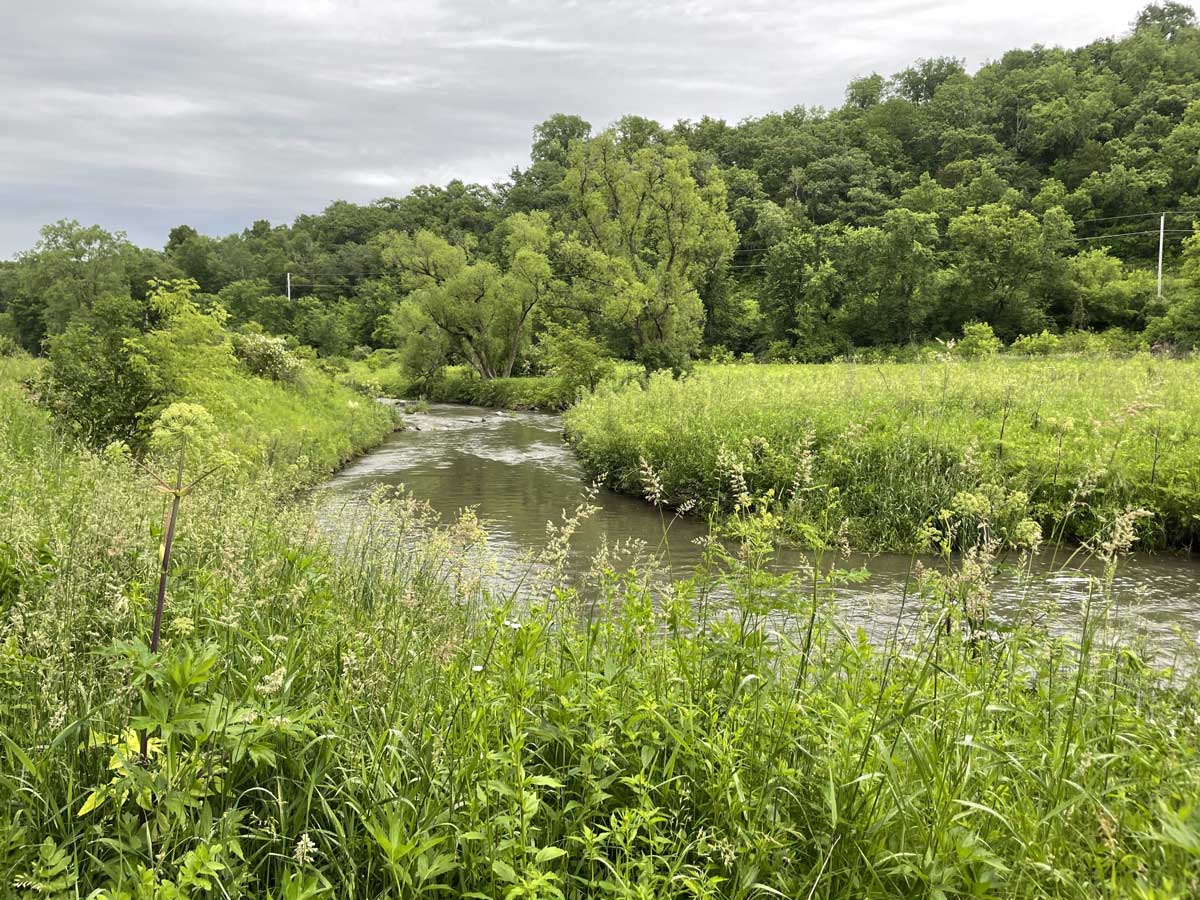
Volunteers monitor wadeable streams and small rivers that can be safely entered while wearing hip waders. Many volunteers choose to monitor a stream site based on their personal interest or proximity to their home or school, or they work with a local WAV coordinator who has a list of stream sites that need water quality data. Some programs work with local and state agencies to coordinate monitoring locations.
When you become a volunteer, you…
- Join a network of over 500 citizen scientist volunteers across the state.
- Learn about water quality and aquatic life in your local streams and rivers.
- Collect valuable scientific data to support stream management decisions.
- Have fun outside and connect with the natural world!
Baseline Monitoring
Get started with WAV by becoming a baseline stream monitoring volunteer!
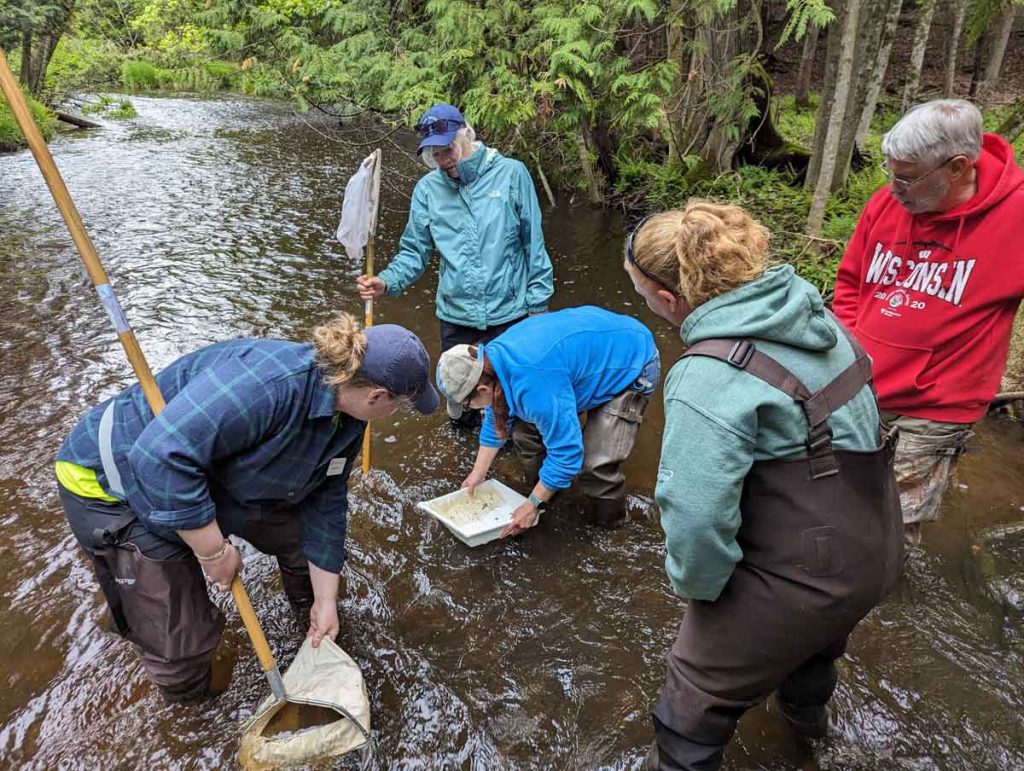
Baseline volunteers visit the same stream site once a month from May to October to gather baseline information about the health and water quality of the stream. With multiple years of consistent baseline data, we have a well-rounded understanding of the stream’s water quality and can better detect changes over time from land use or restoration efforts.
- During each stream visit, volunteers spend 1-2 hours collecting data on four parameters: water temperature, transparency, dissolved oxygen, and streamflow. Volunteers also complete a biotic index to look for stream macroinvertebrates twice a year, in spring and fall.
- Volunteers monitor a stream site as part of a 2-3 person team. At least one person must enter the stream to collect data.
How to get started
Before you begin monitoring, we will teach you about the five stream water quality parameters and the monitoring equipment and methods that you’ll use to collect data.
Step 1: Complete our free Online Introduction to WAV course
1 – 2 hours
You will learn more about the program, the science behind stream health, and our data collection methods. Anyone interested in learning more about stream water quality can take the course.
Step 2: Connect with your local WAV Coordinator
WAV coordinators are staff and volunteers affiliated with local organizations or groups and directly support WAV stream monitors in their local area.
Step 3: Register for an in-person field training at a stream near you
3+ hours
In-person field trainings are held throughout the state from April–June and provide hands-on training at a stream site to teach you how to measure the five WAV parameters of stream health. We typically post spring trainings starting in early March. Keep an eye on our events page to see upcoming training sessions around the state and talk to your local WAV coordinator about other baseline training opportunities that they provide.
Trainings are open to people of all abilities, and adults and youth ages 10 and older are welcome. Youth must be accompanied by an adult who can provide supervision and support.
Aquatic Invasive Species Monitoring with Project Riverine Early Detectors (Project RED)
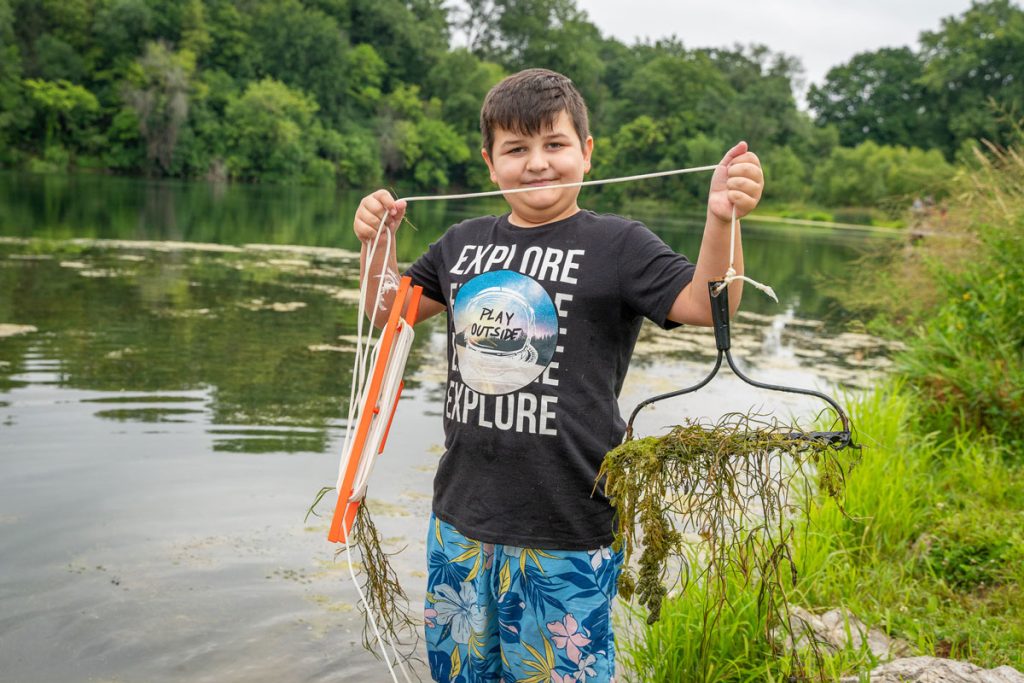
Project RED volunteers monitor for aquatic invasive species (AIS) on moving waters – rivers or streams. Volunteers monitor for AIS while paddling, fishing, wading, or walking along a reach of river.
The time you spend monitoring for AIS is up to you! Any and all time dedicated to searching for AIS is appreciated.
You can monitor anywhere! You are welcome to “adopt” a section of river to keep an eye on, or monitor any river in Wisconsin you happen to be on. You can monitor while on the water paddling or fishing, or while simply walking along the shoreline.
How to get started
Step 1: Get familiar with AIS identification
Attend a local training or utilize online resources:
- For a list of local trainings, please contact wav@extension.wisc.edu
- For a list of online resources, please visit the Project RED webpage
Step 2: Review the monitoring manual
Located on our Project RED webpage, the monitoring manual provides information on how to monitor for AIS and what to be on the lookout for.
Step 3: Select your site
Choose a waterbody to search for AIS. This can be any moving waterbody – rivers or streams!
Step 4: Monitor
Get out on the water and monitor!
Nutrient Monitoring
*Must be a returning WAV volunteer (at least 1 year of WAV monitoring experience).
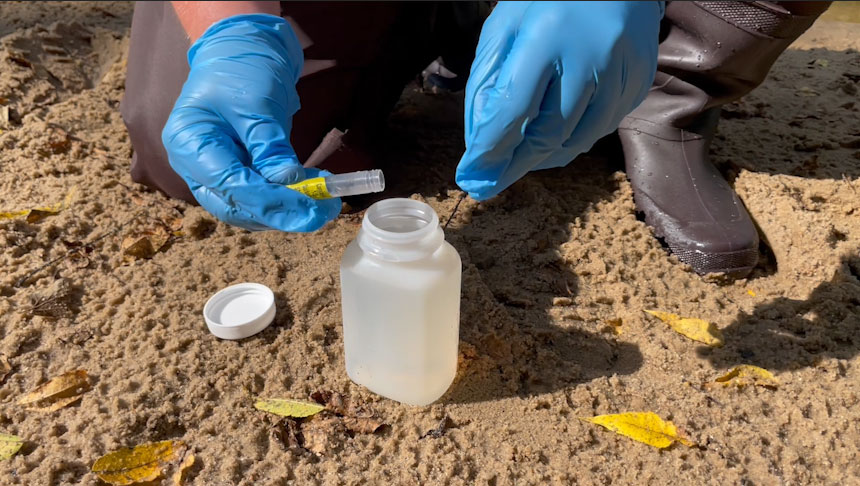
Nutrient monitoring volunteers gather water quality samples once a month from May through October. Volunteers most often collect samples for total phosphorus, but sometimes collect samples for nitrogen and total suspended solids as well. Sites for nutrient monitoring are often special projects areas such as regions with TMDL or 9 Key Element Plans.
Volunteers can expect to spend about 0.5 – 1 hour(s) collecting and mailing nutrient samples each month.
How to get started
Volunteers must be engaged in a local coordinator or DNR-led project, and must have one year of baseline data collection completed in order to begin nutrient monitoring. To express interest in nutrient monitoring, please contact your local WAV Coordinator.
Continuous Temperature Monitoring
*Must be a returning WAV volunteer (at least 1 year of WAV monitoring experience).
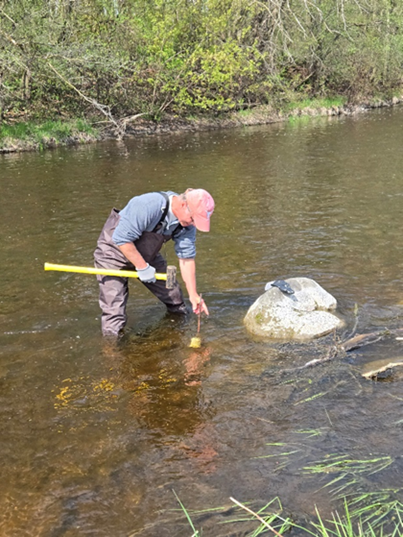
Continuous temperature monitoring volunteers deploy devices called “thermistors” in order to monitor the temperature of the stream once per hour from May through October.
Continuous temperature volunteers can expect to spend about 0.5 hours deploying and retrieving their thermistors in both May and October, and about 10 minutes once per month ensuring the thermistor has not moved from its deployment site.
How to get started
Volunteers must be engaged in a local WAV Coordinator or DNR-led project, and must have one year of baseline data collection completed in order to begin continuous temperature monitoring. To express interest in temperature monitoring, please contact your local WAV Coordinator.
Habitat Assessment Monitoring
*Must be a returning WAV volunteer (at least 1 year of WAV monitoring experience).
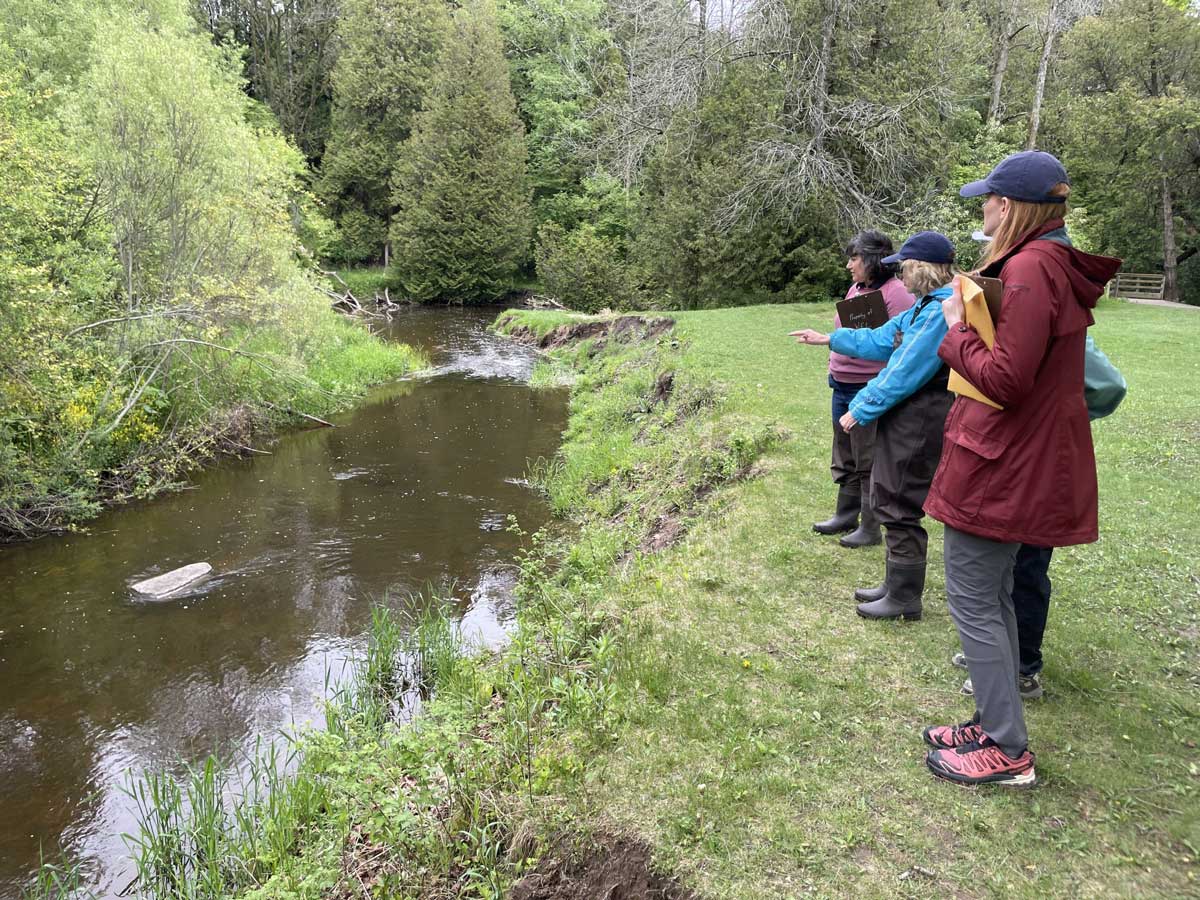
Current WAV volunteers may be interested in completing a habitat assessment at the stream site(s) they already monitor. A habitat assessment combines visual observation and in-stream measurements to assess the quality of the stream’s habitat for fish and other aquatic life. It’s a valuable screening tool that can identify stressors, such as bank erosion or fine sediments, and potential restoration opportunities.
- Once a year between May 15 – September 15, conduct a habitat assessment at your existing stream site. (2-3 hours)
- This assessment requires at least two people on a team who are comfortable wading in the stream and walking on uneven surfaces on the stream bottom. Volunteers will need to walk upstream a minimum of 300 feet up to a maximum of 1,300 feet, taking in-stream measurements along the way.
- Volunteers can use items in their baseline monitoring kits to conduct habitat assessments, so no additional equipment is necessary.
How to get started
Step 1: Complete a field training for the habitat assessment method
Stream habitat assessments require advanced training. Talk to your WAV Coordinator about field training opportunities to learn the habitat assessment method.
Step 2: Read the training guide
The WAV Habitat Assessment Training Guide is a helpful resource to learn the basic concepts of habitat assessments and what to expect.