
Baseline Stream Monitoring
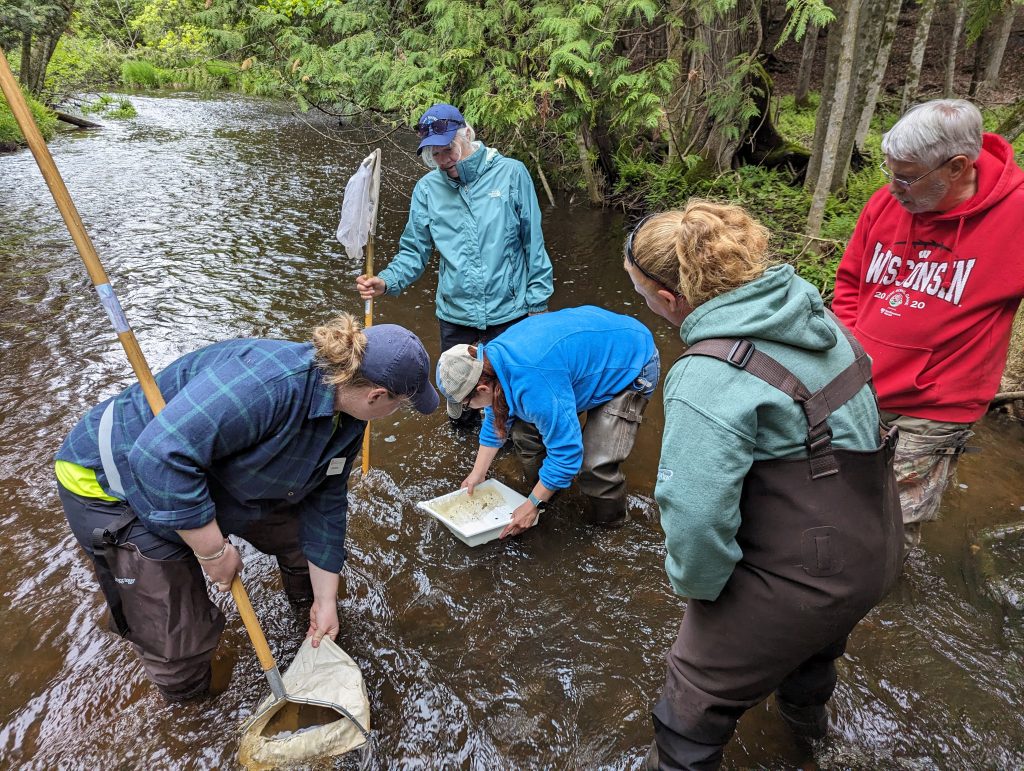
Baseline monitoring is the WAV Program’s primary introduction to stream and river monitoring as it provides volunteers with a strong foundation in stream health concepts and connects volunteers with the seasonal changes and aquatic life in their local streams.
Baseline volunteers visit the same stream site once a month from May to October to gather water quality information about the health of the stream.
What is Measured
The goal is to assess six elements of stream health using scientific tools and techniques:
- Dissolved oxygen – aquatic life depends on it for survival. Measuring dissolved oxygen is probably the most significant water quality test to determine the suitability of a stream for fish and many aquatic organisms.
- Water temperature – affects oxygen levels and can limit creatures’ survival. Stable water temperature is a critical factor in maintaining the health of a stream and its inhabitants.
- Transparency – too many suspended particles in the water can be harmful to aquatic plants and other organisms.
- Streamflow – the amount of flowing water in a stream is an important habitat limitation.
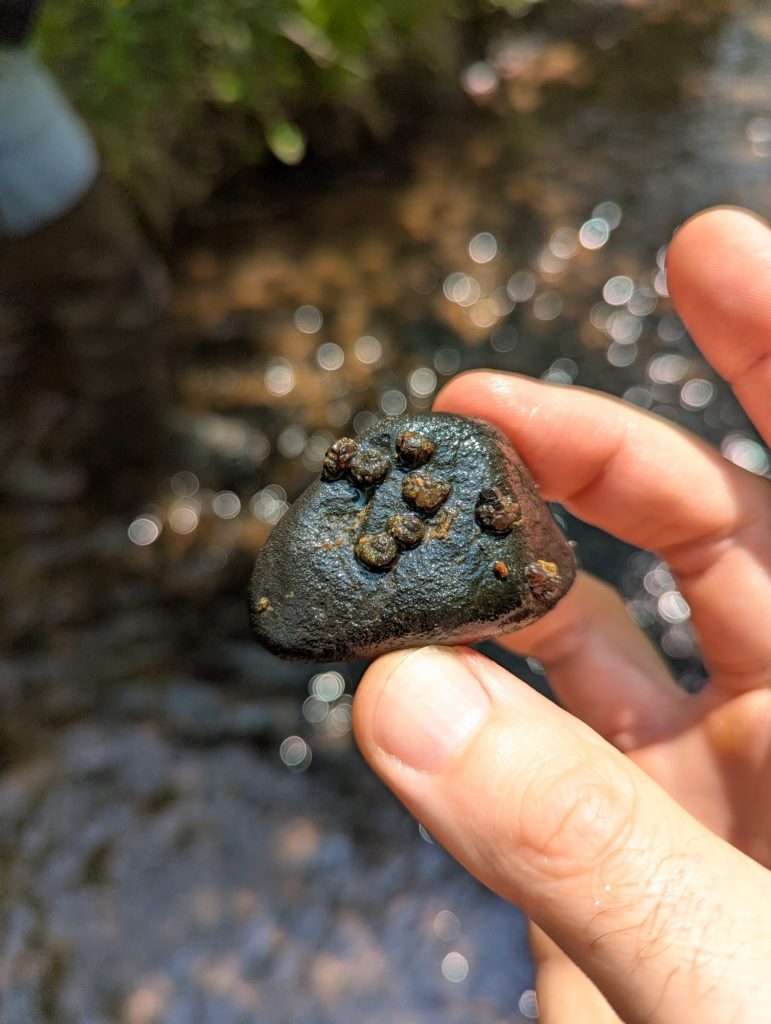
- Stream macroinvertebrates – insects, worms, crustaceans, clams and other small, boneless creatures that are visible without the aid of a microscope are used to assess water quality based on their tolerance to organic pollution and habitat disturbance.
- Aquatic invasive species – introduced organisms can cause economic or environmental harm and disrupt the aquatic food web.
How the Data is Used
With multiple years of consistent, monthly baseline data, we can better understand the stream’s current condition and detect changes to the stream’s water quality from land use or restoration. Baseline monitoring is useful for indicating the general health of the stream and the data can signal issues locally or in the broader watershed. On the flip side, volunteer data often indicates that the stream or river is healthy and supports diverse aquatic life!
DNR biologists search for water quality information in the state’s database, including baseline volunteer data, to help assess the health of our state’s waters and to make decisions about targeted monitoring projects, and water protection and restoration decisions in collaboration with local partner organizations and agencies.
Datasheets
*NEW! We’ve redesigned the datasheet in 2026. We offer a print version for you to print and take to the stream or a fillable form version to use on a digital device (just remember to download and save the file first!).
Interested in understanding the math behind WAV’s streamflow float method? Calculate streamflow by hand using this worksheet!
If you use a meter, it’s important to calibrate the meter before collecting data.