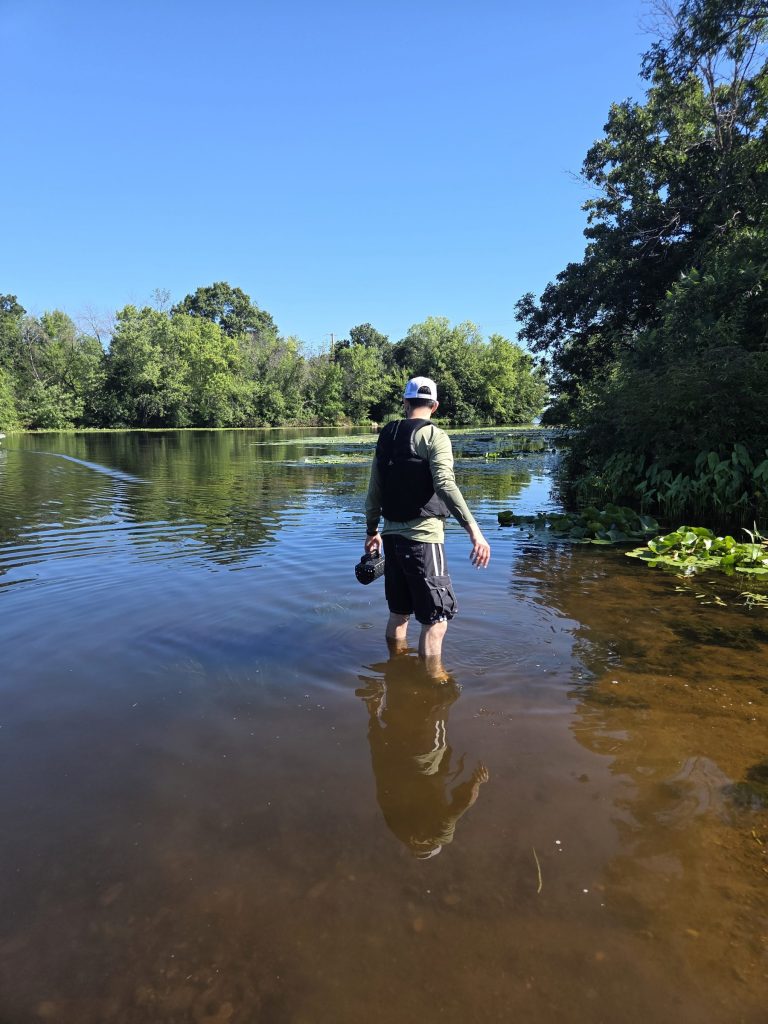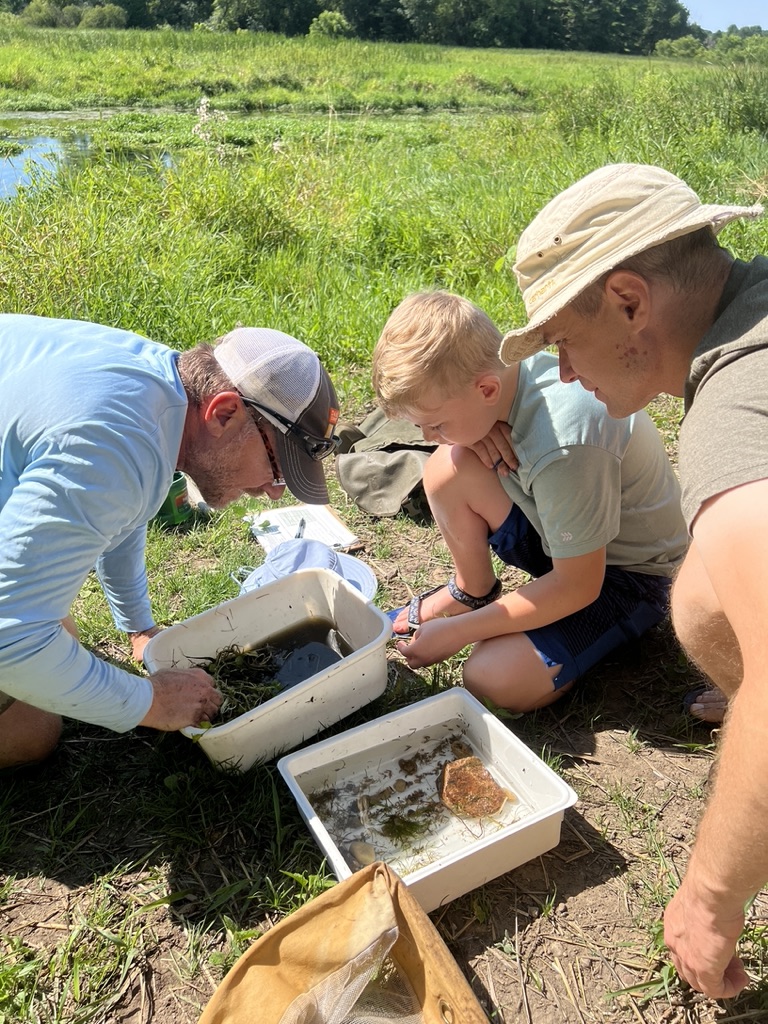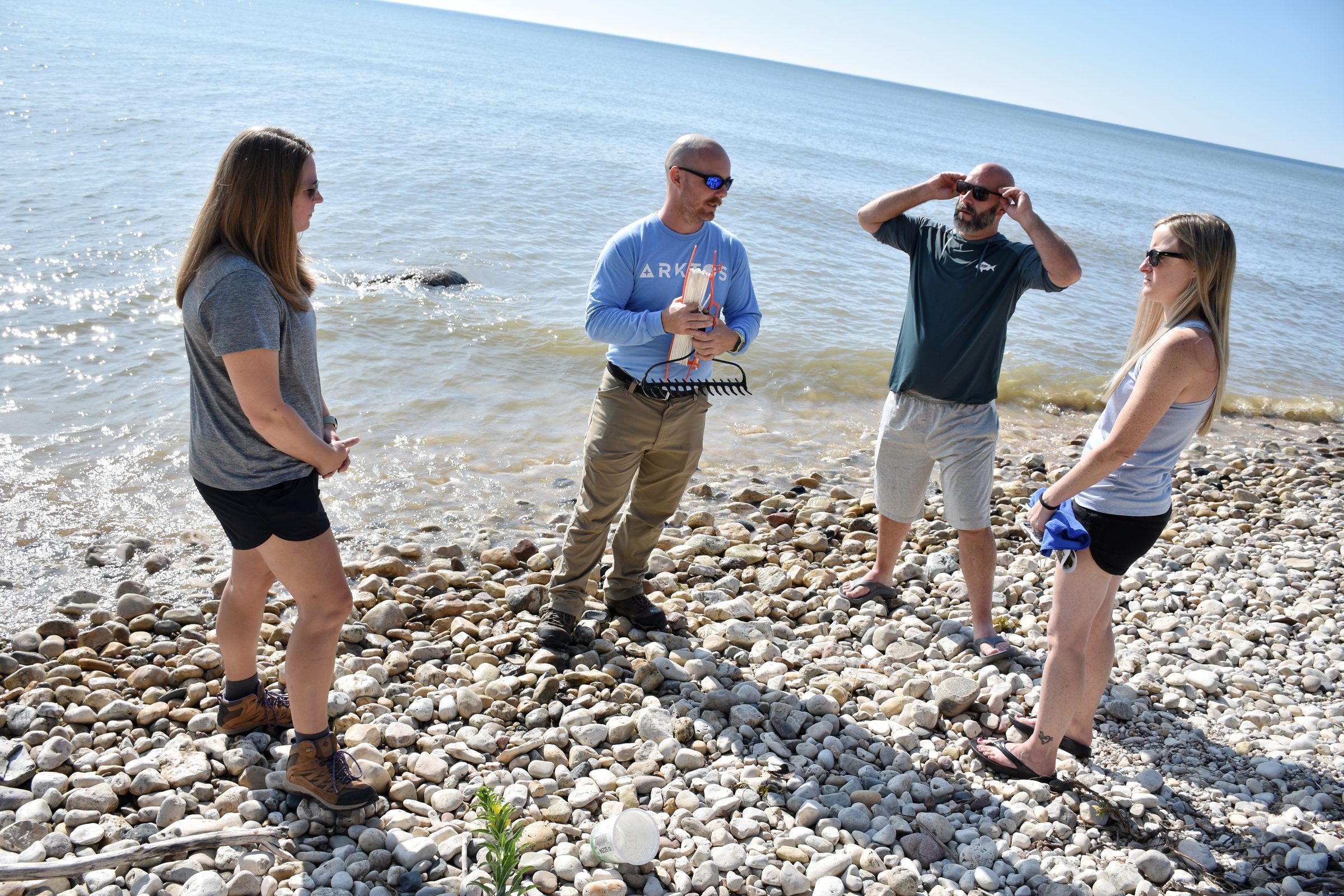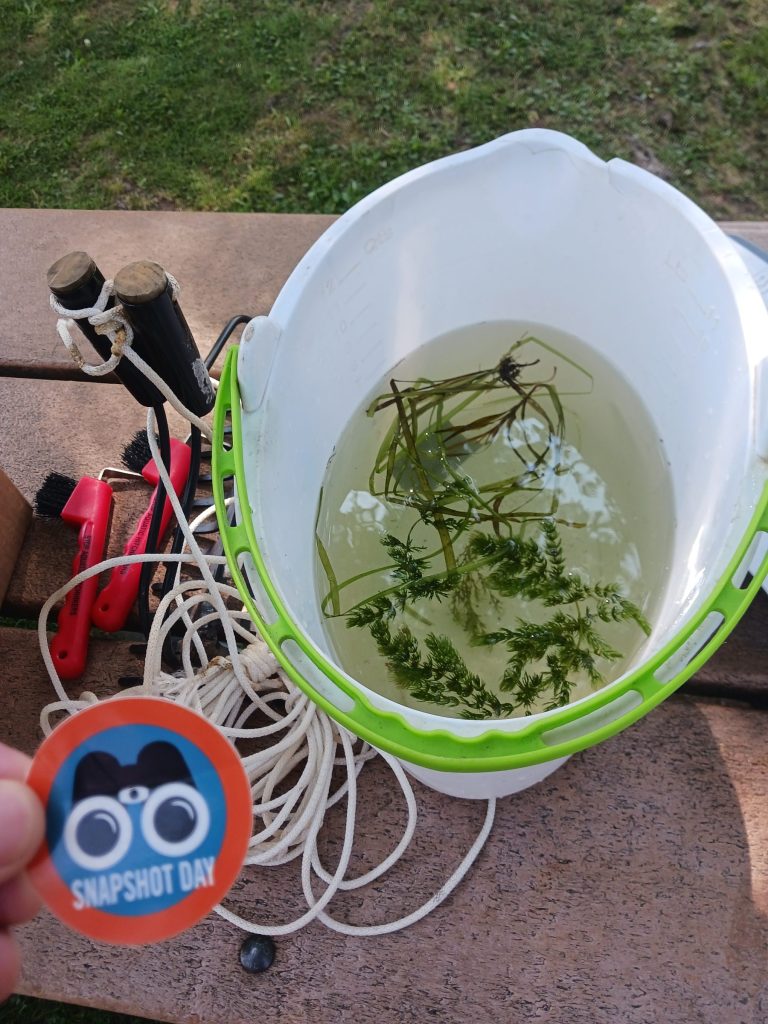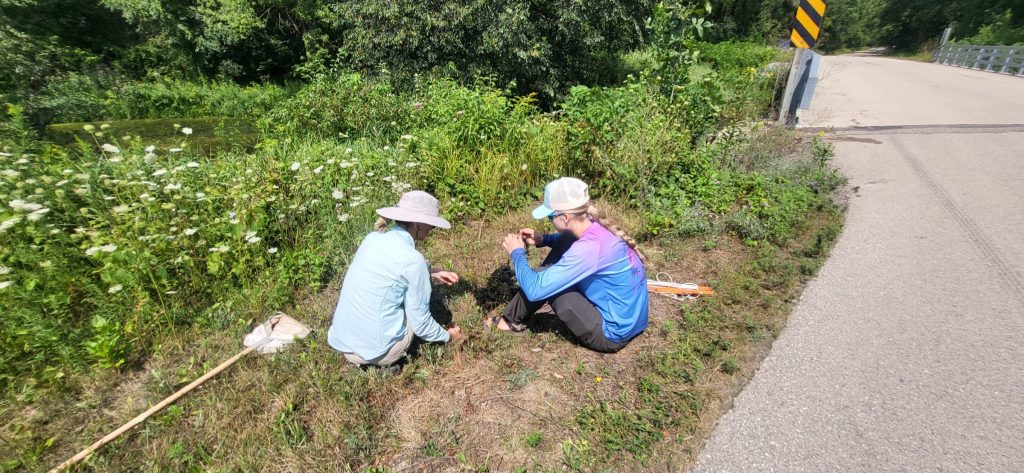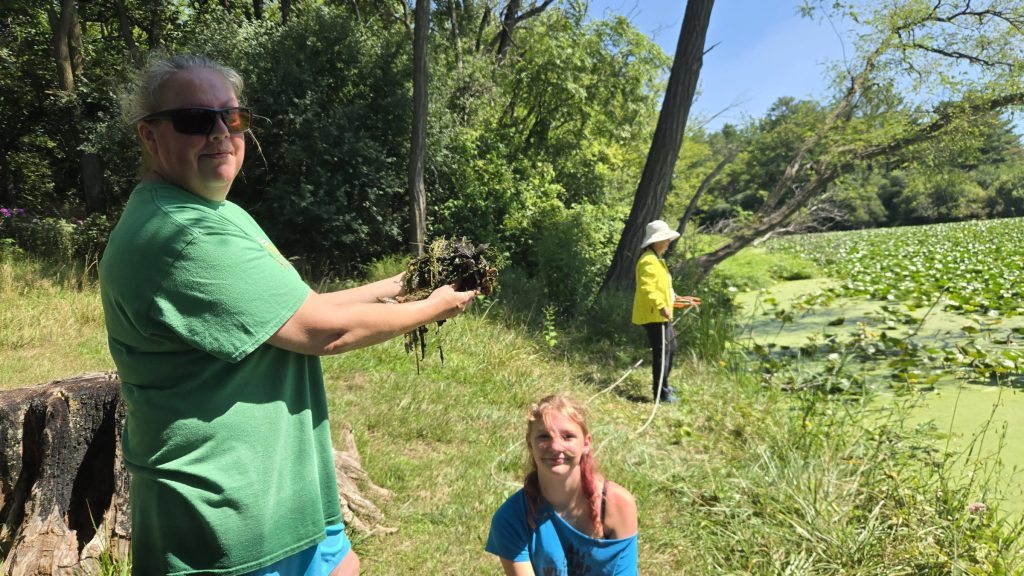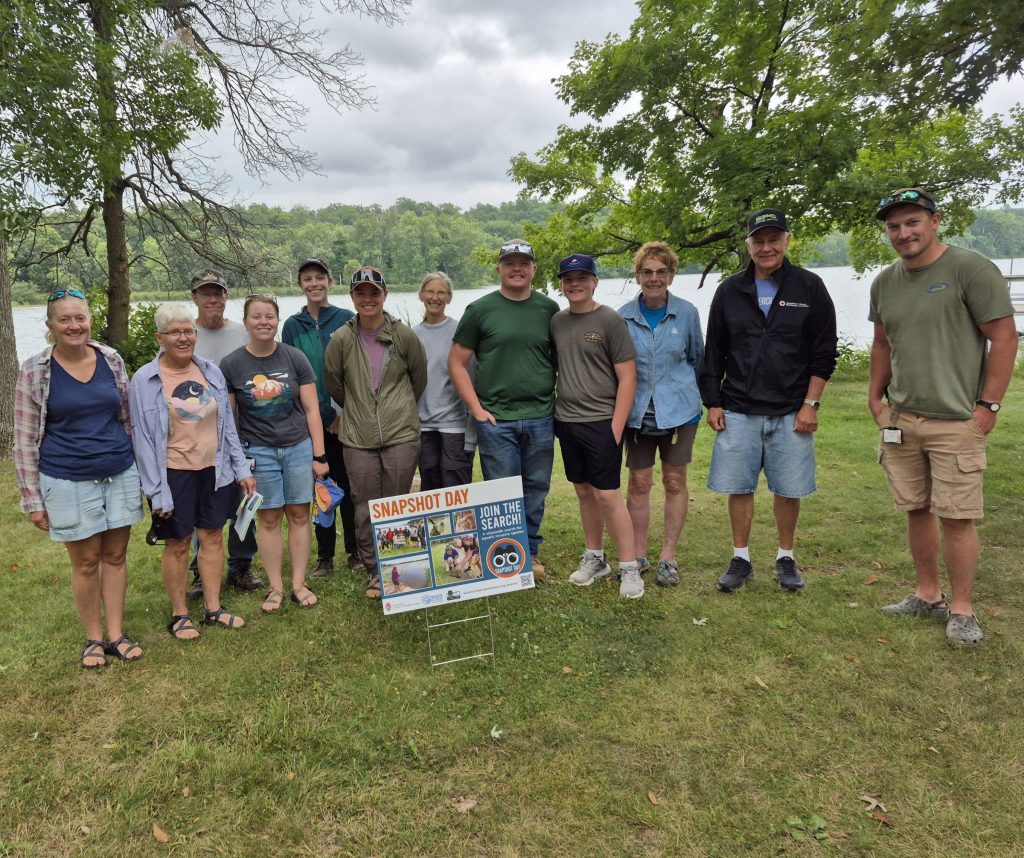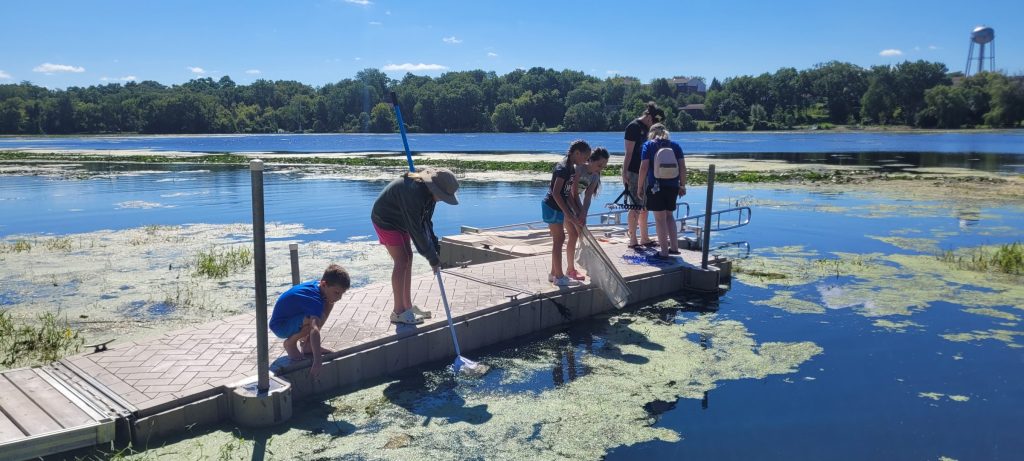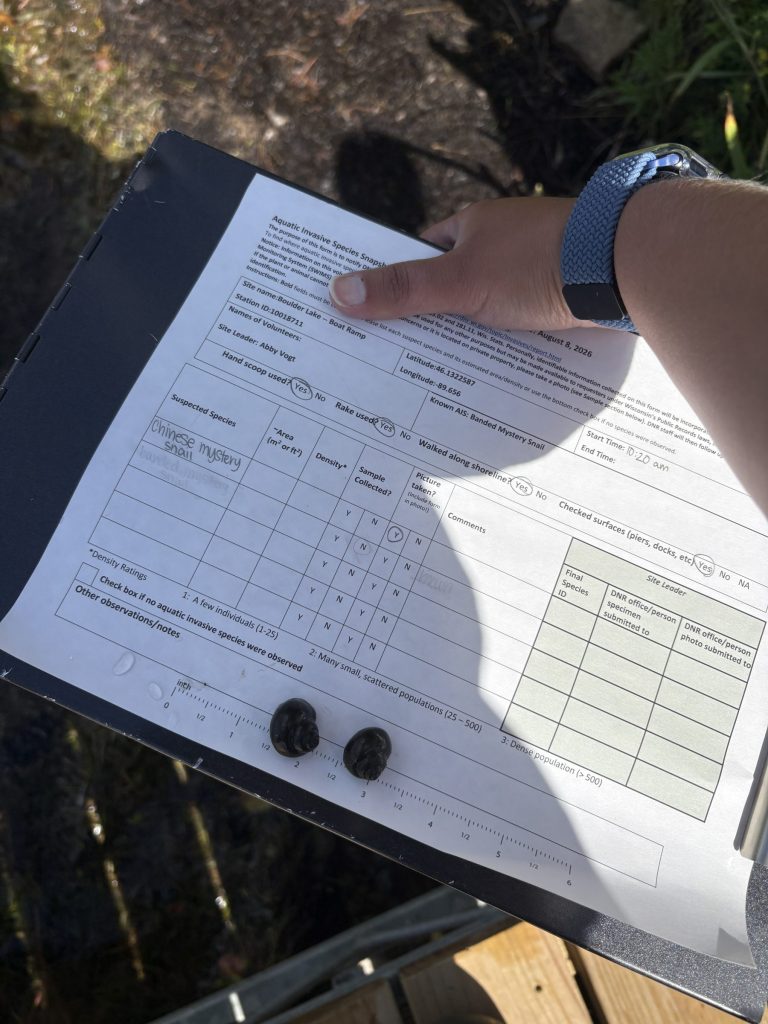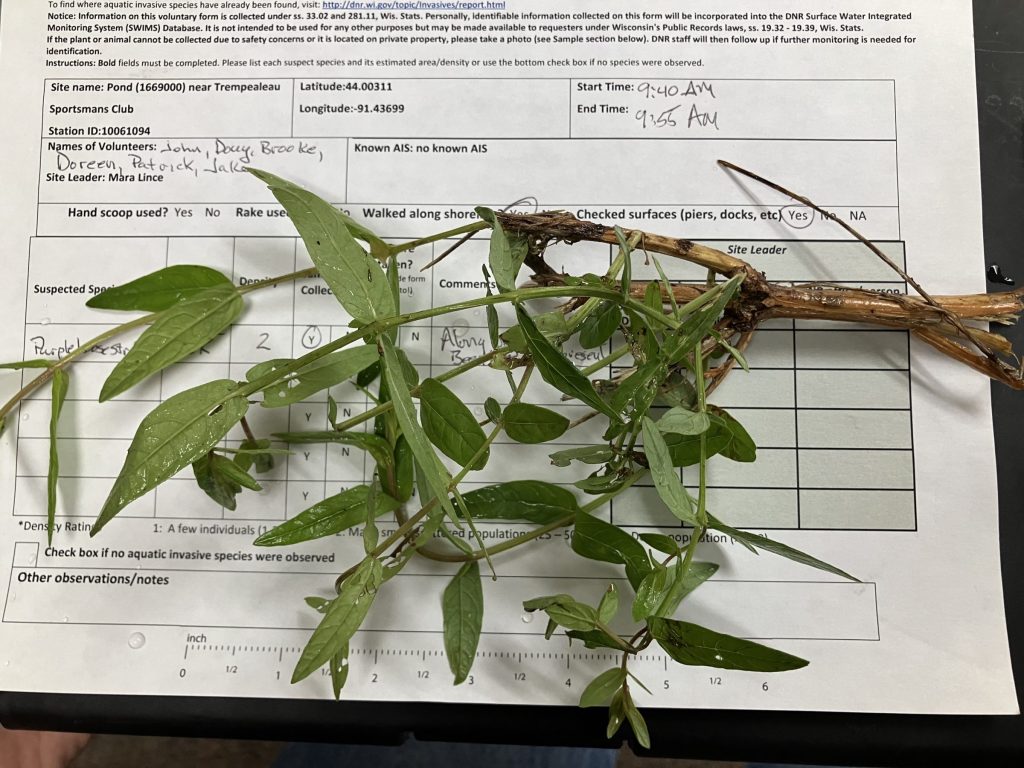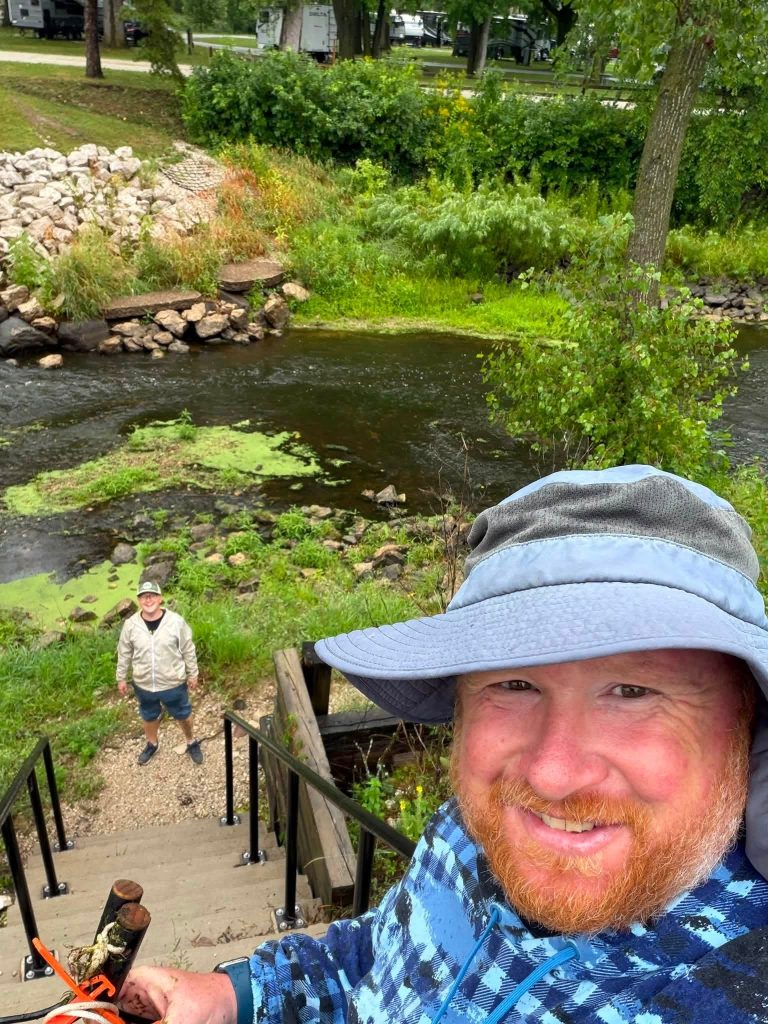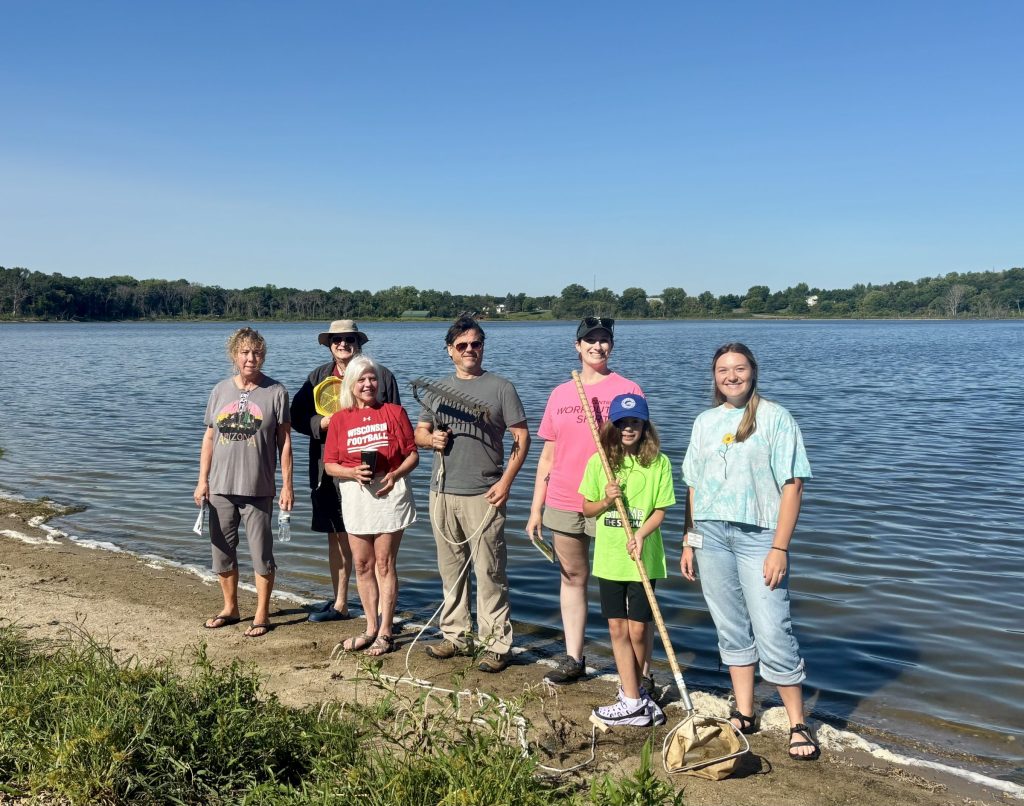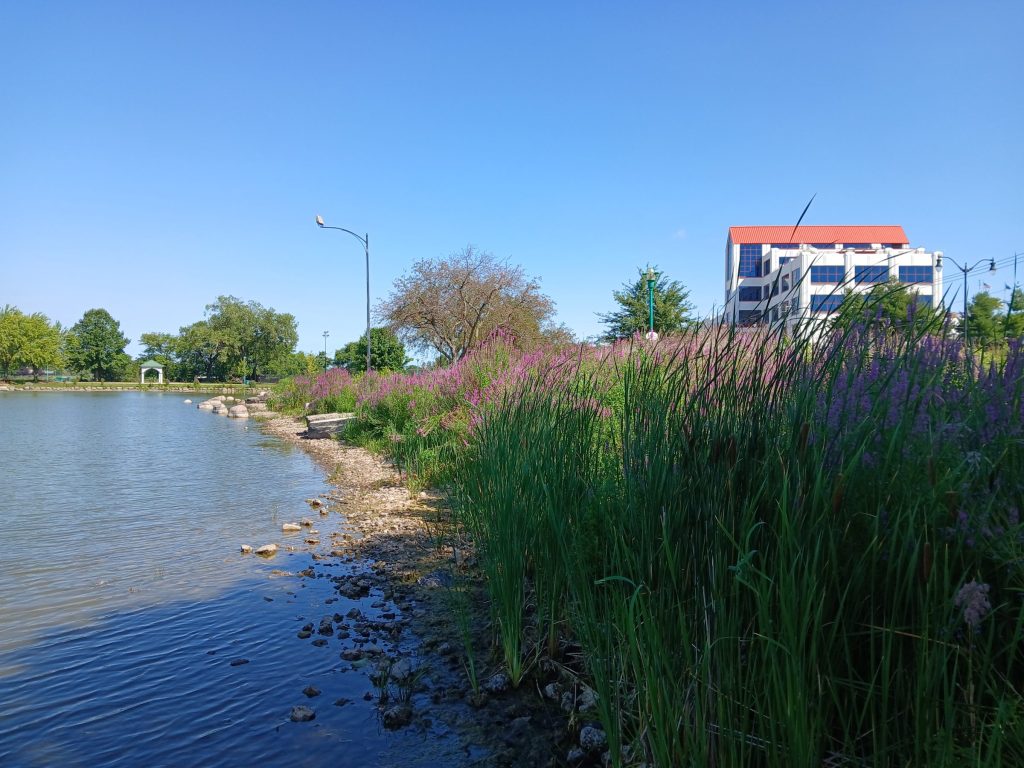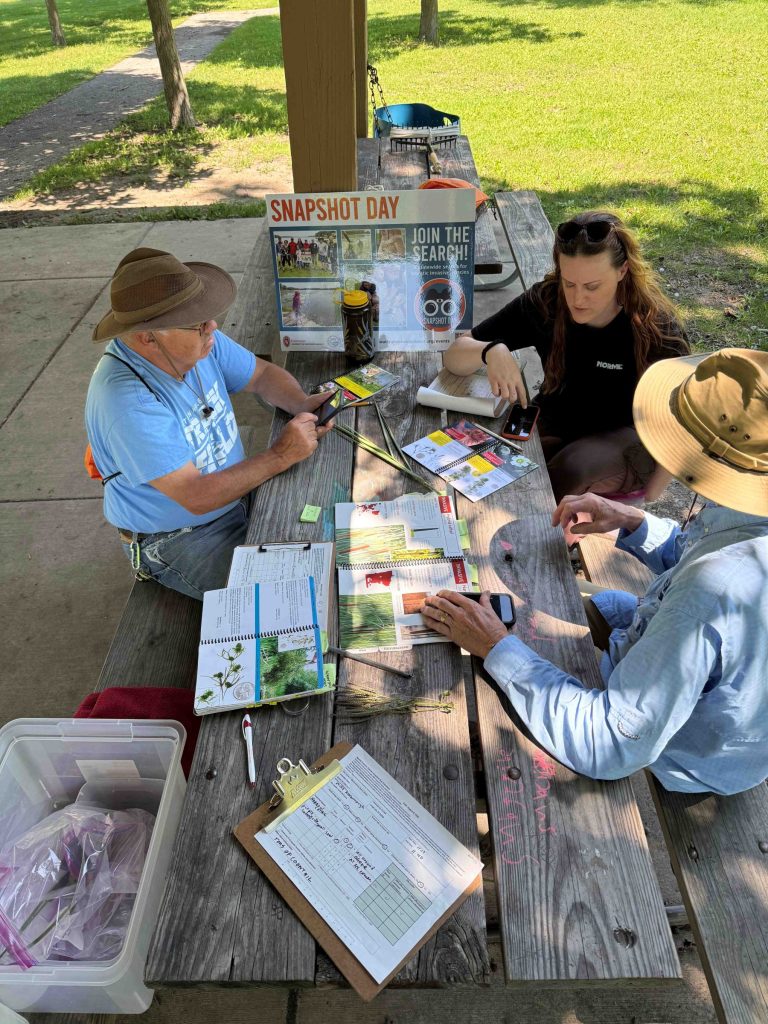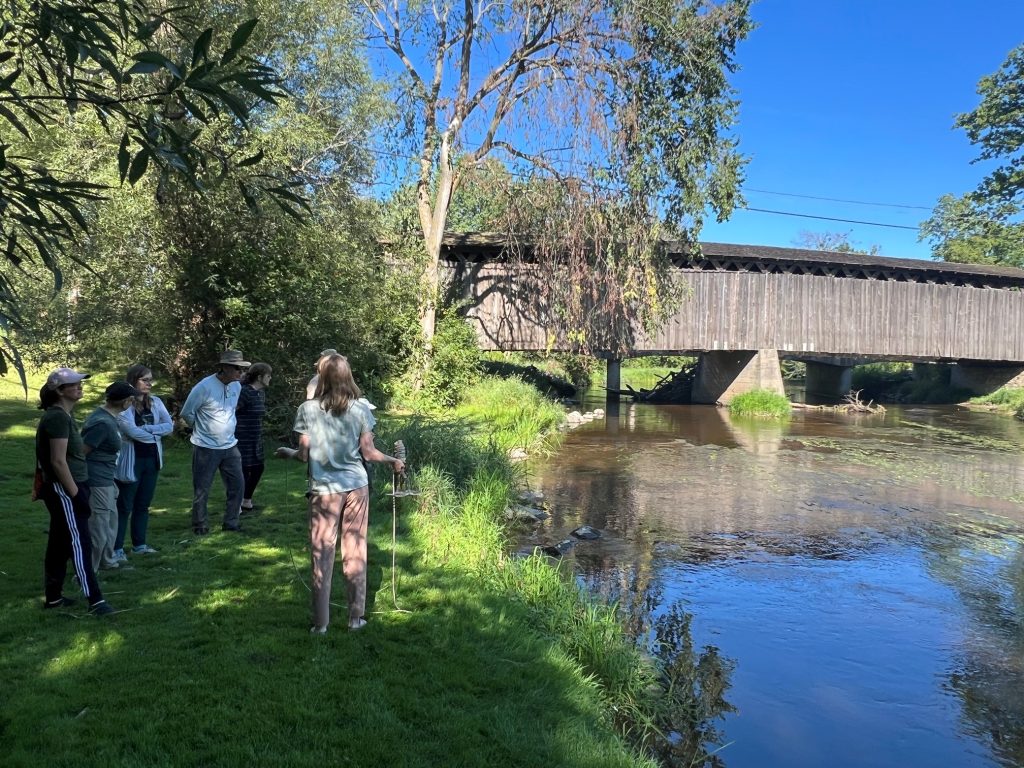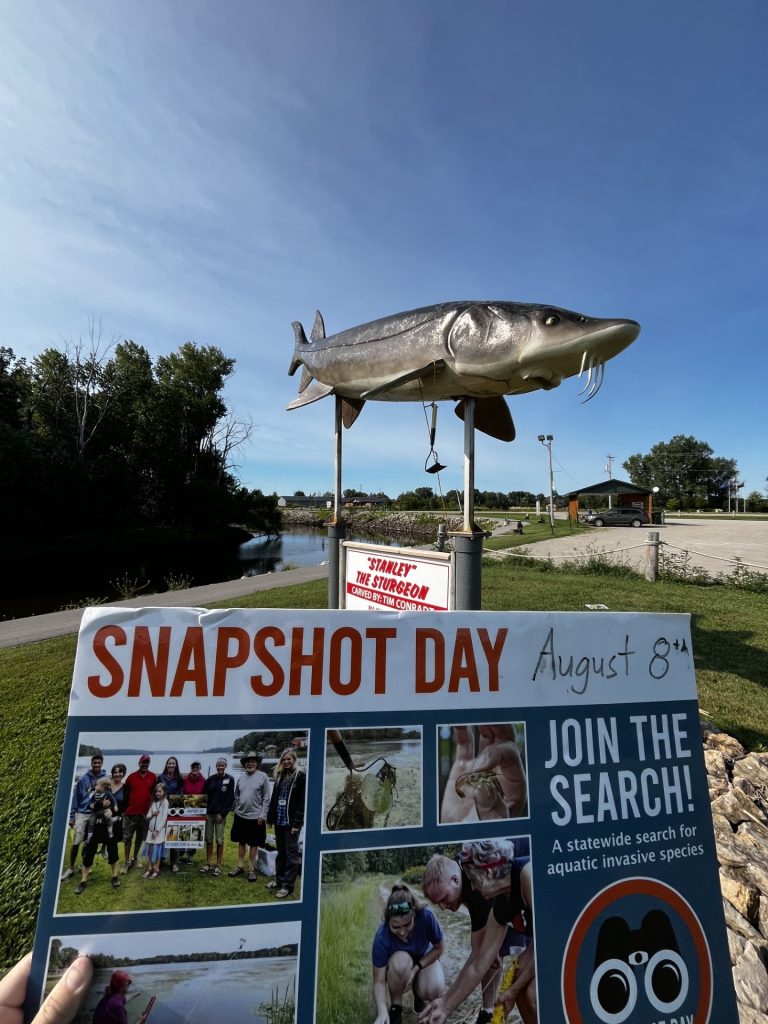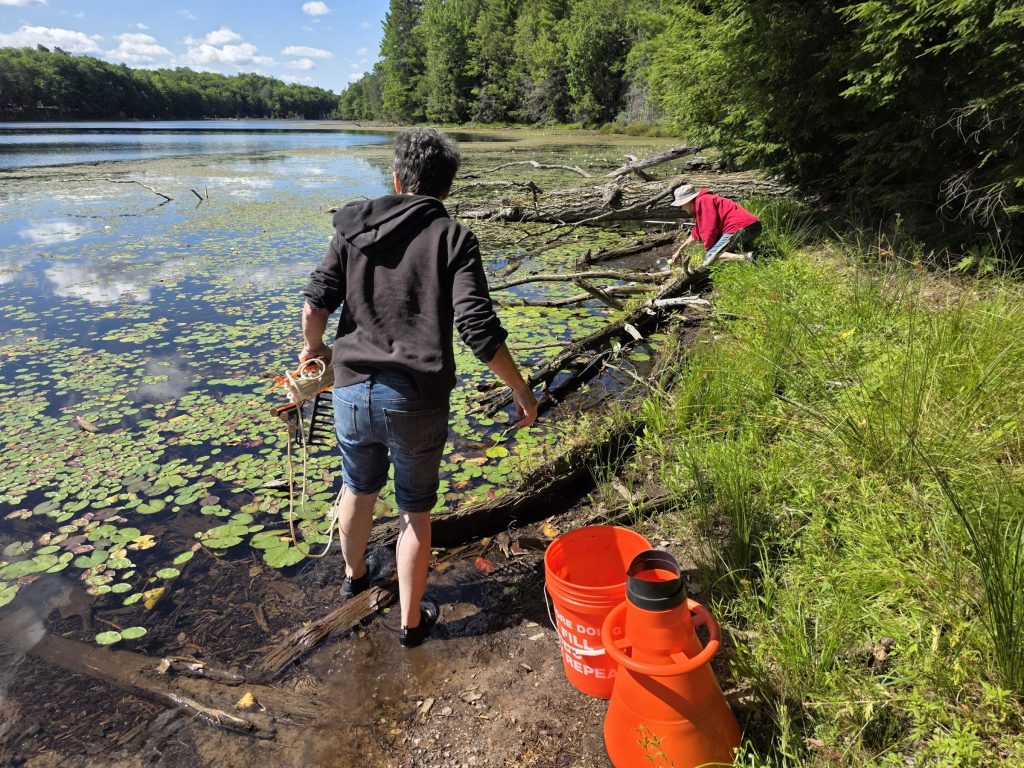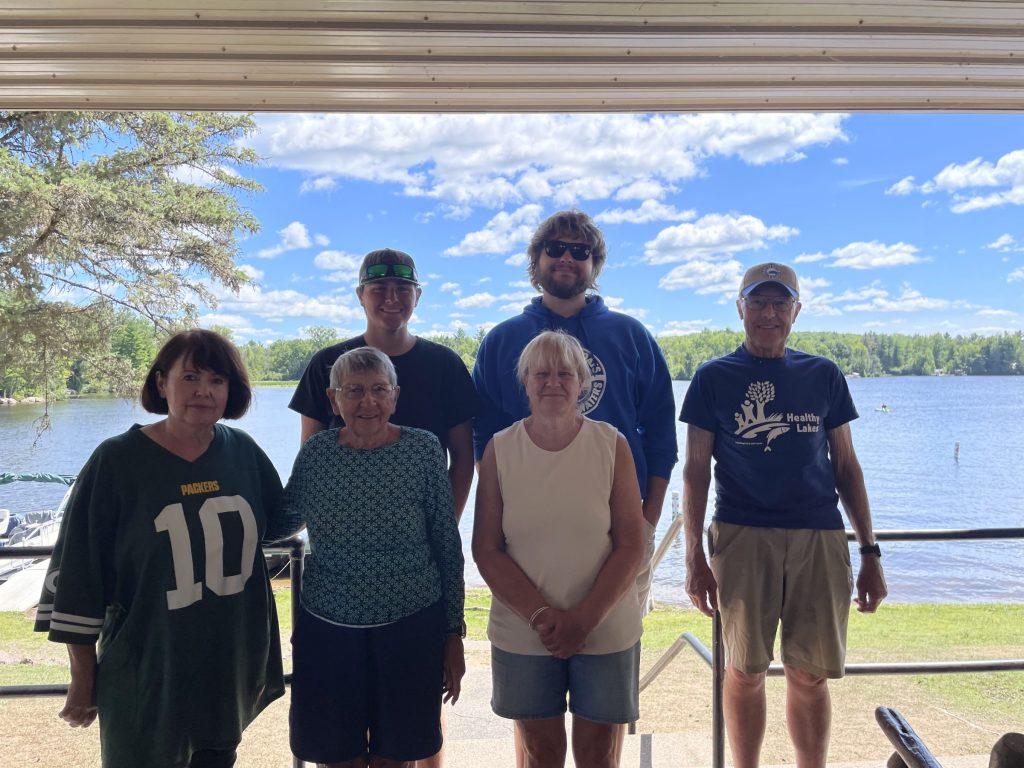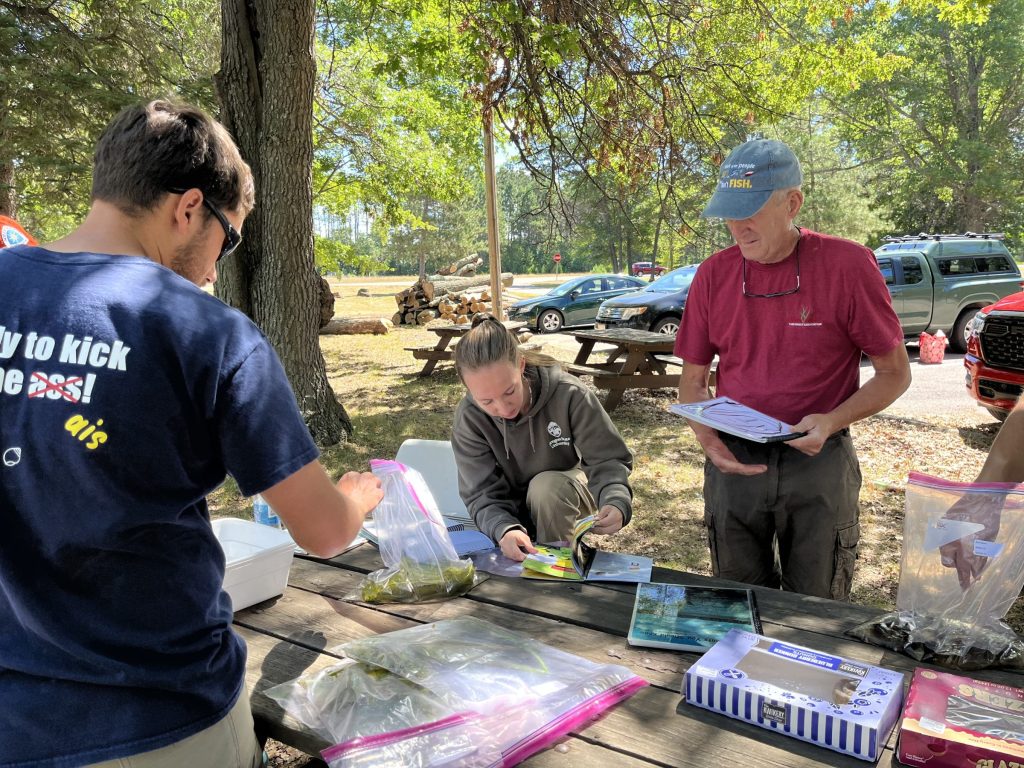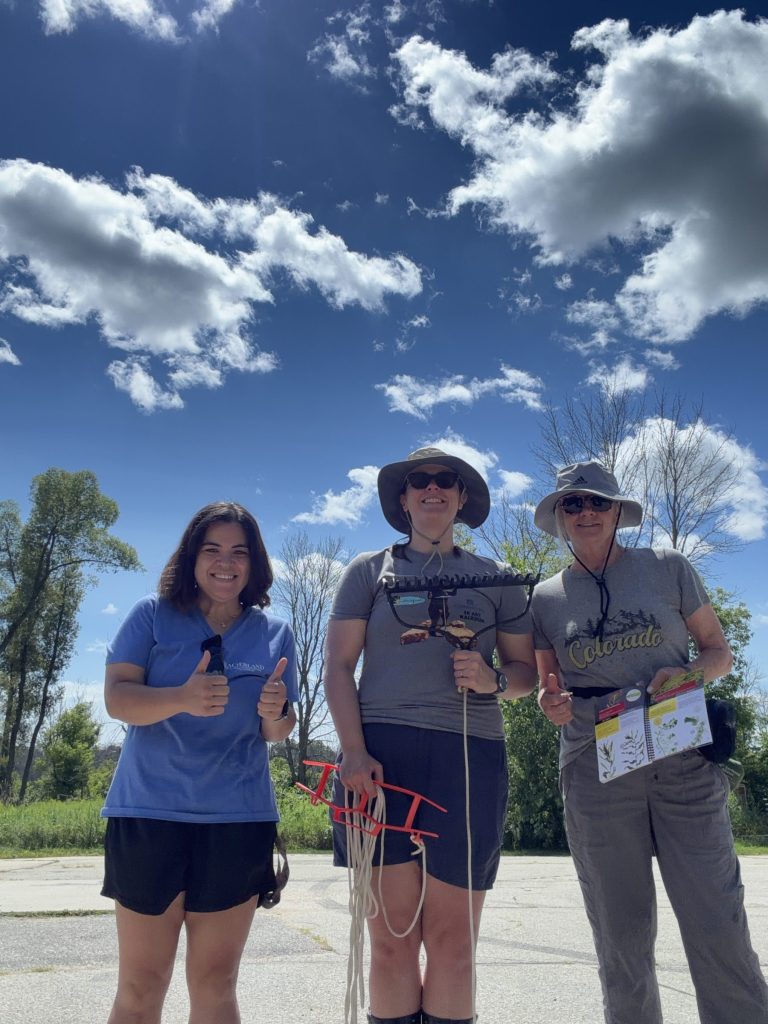

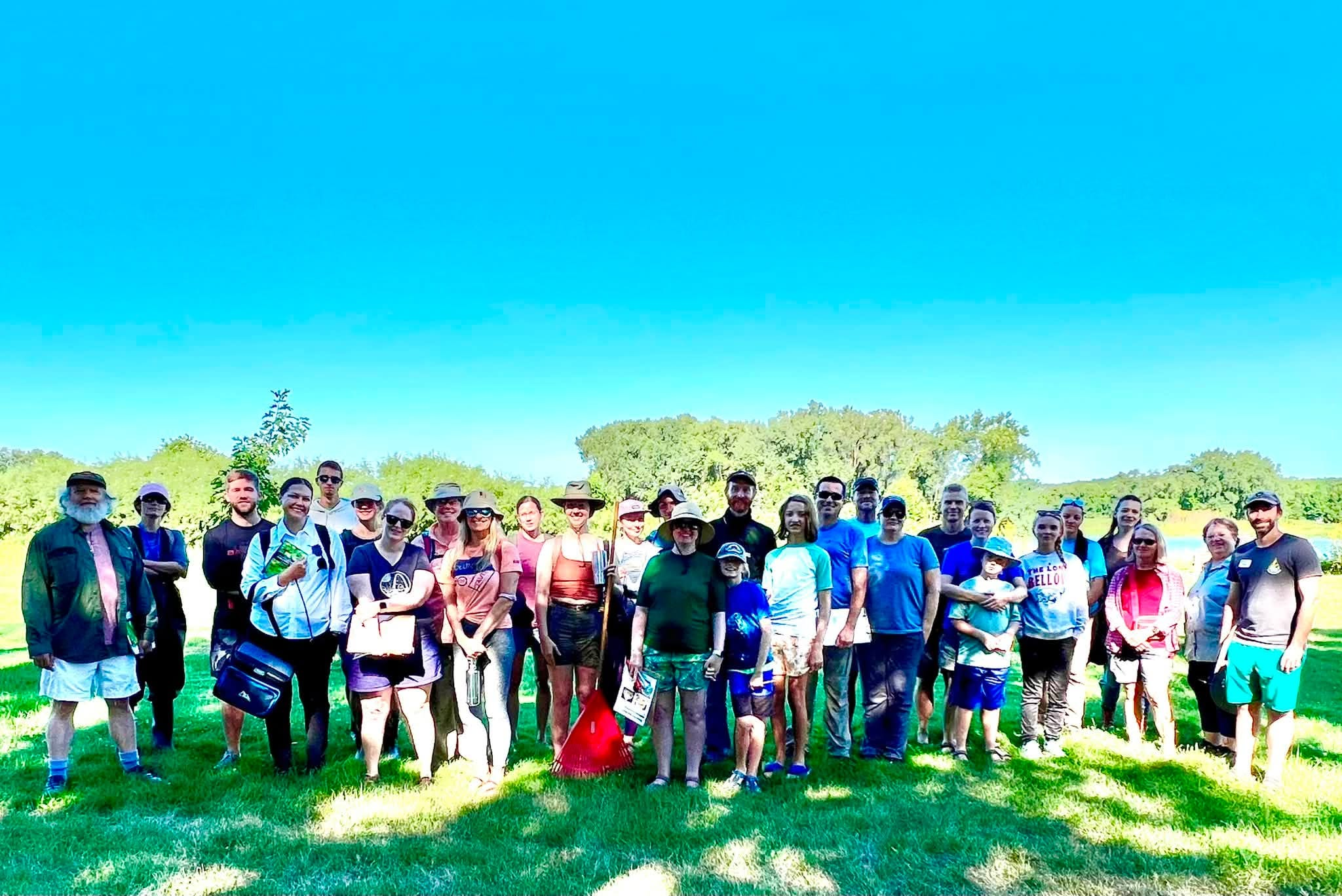
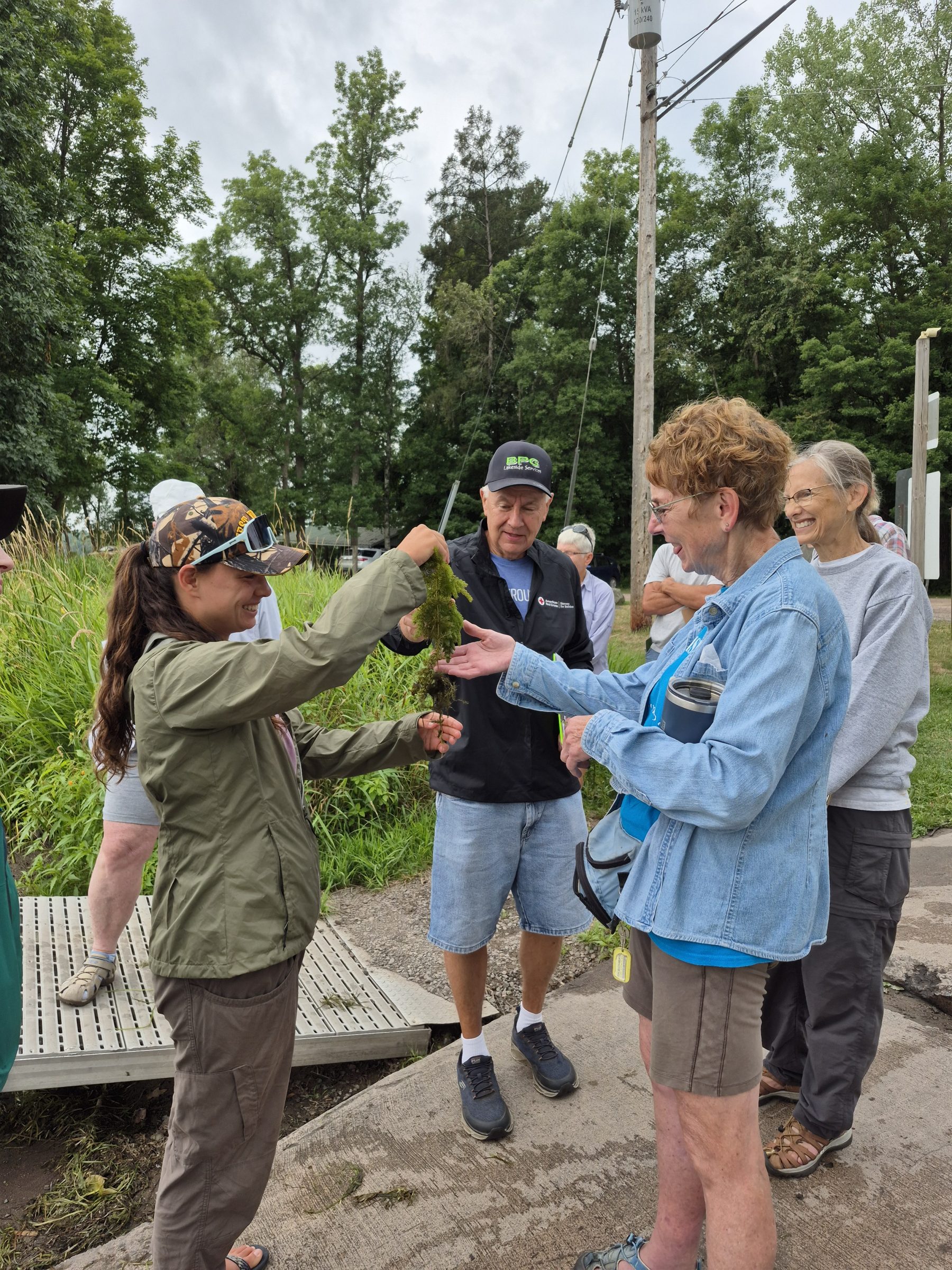
Volunteers at the 2026 Madison Snapshot Day.
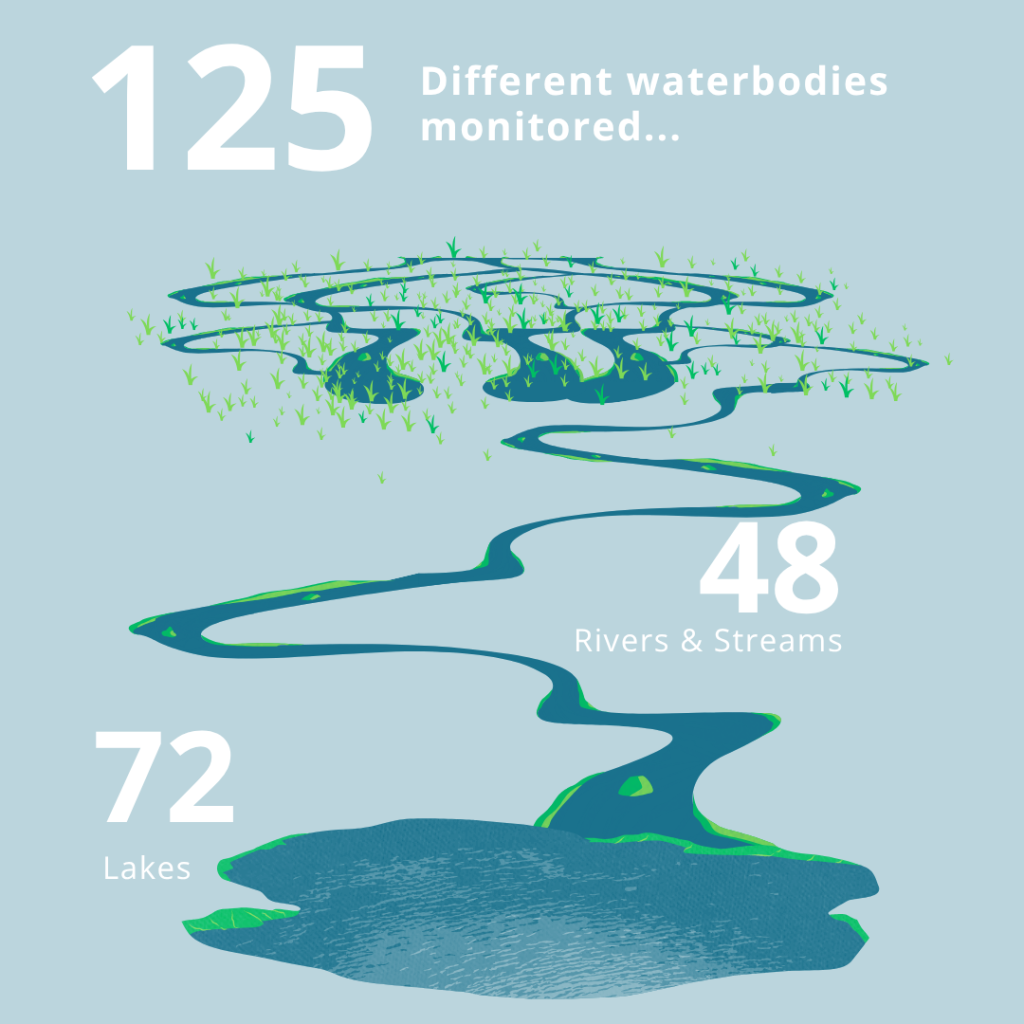
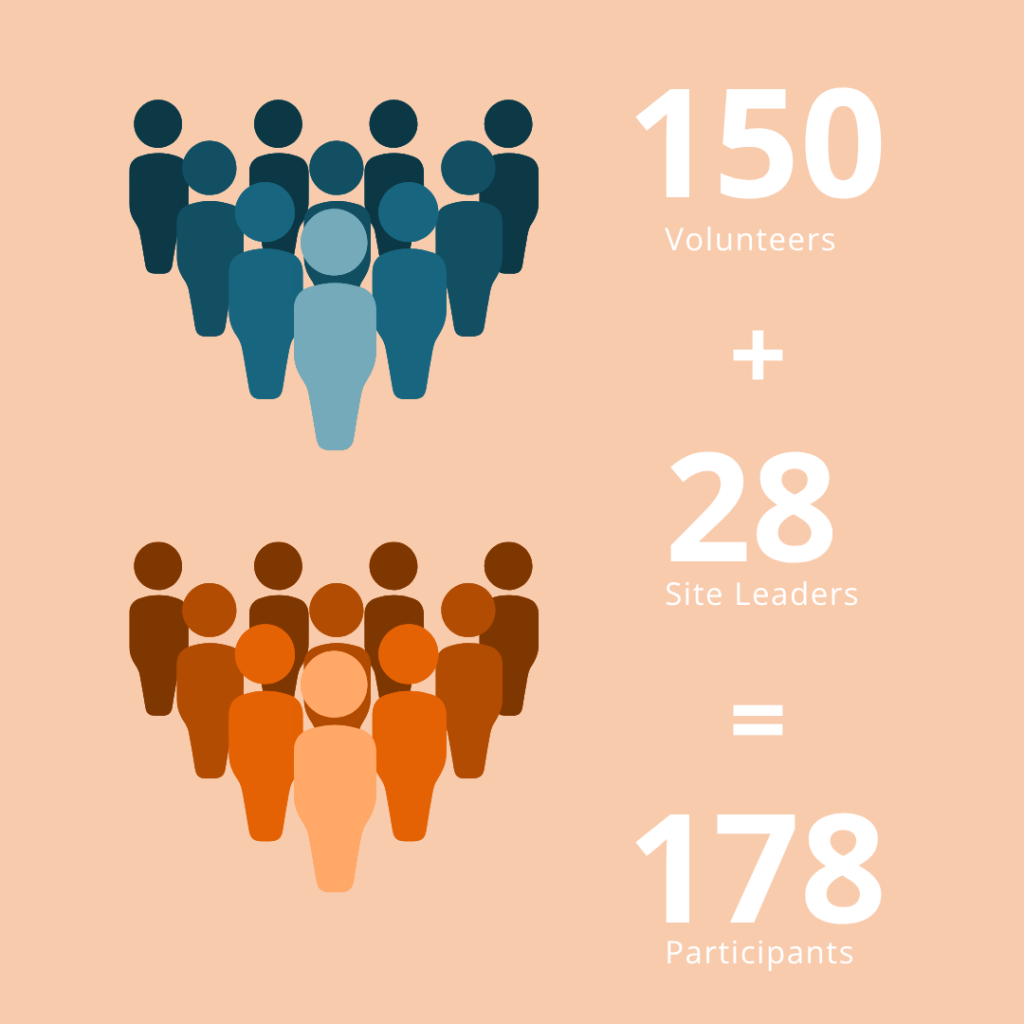
On August 8, 2026, almost 200 people who love Wisconsin’s waters came together for the 13th annual Aquatic Invasive Species Snapshot Day—a statewide search for aquatic invasive species (AIS). From rivers and streams to lakes and wetlands, volunteers fanned out across 125 different waterbodies in Wisconsin, helping monitor the health of the places they care about most.
The event, coordinated by UW—Madison Extension in partnership with the Wisconsin Department of Natural Resources (WDNR), Extension Lakes, and dozens of county and nonprofit organizations, is part science, part stewardship, and part community gathering.
Building connection through AIS
Volunteers started their morning at one of 26 meeting stations across the state, where they learned how to spot invasive species like Eurasian watermilfoil, zebra mussels, and freshwater golden clams. After a hands-on training in identification and search protocols, volunteers headed out in small groups to survey 161 sites throughout Wisconsin. Any potential findings were documented and shared with the Wisconsin Department of Natural Resources, supporting ongoing efforts to detect, control, and manage these species.
For many, the day was about more than data collection. It was about connection, not only to the natural world, but to each other. One participant shared:
“It was really wonderful to do this with friends. What an amazing way to connect with friends– doing something useful, meaningful, and important. I loved it. Can’t wait to do it again.”
Another volunteer reflected on the sense of purpose that comes from contributing:
“Being an avid outdoorsman, I cherish our state’s natural resources and want to protect them. The opportunity to really delve into what is really in our outdoor environment gives me an even greater appreciation for it. It’s very enriching to meet and work with like-minded people for a common cause.”
Protecting our waters
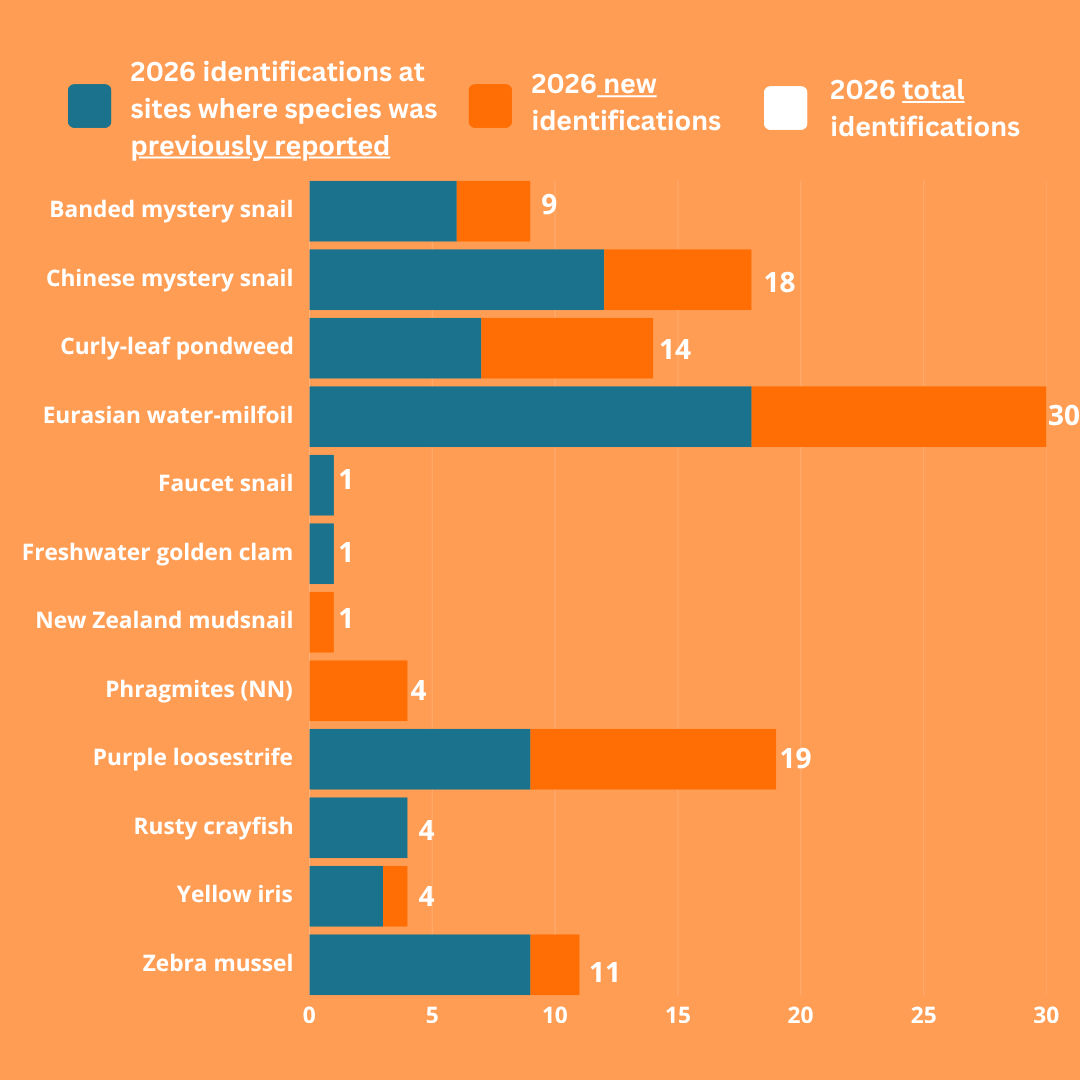
This year’s findings highlighted the importance of that work: AIS were detected at 61% of monitoring sites. All the data collected feeds into Wisconsin’s statewide water quality database, SWIMS, helping resource managers track invasive species and plan for the future.
Beyond the science, Snapshot Day is a reminder of what can be accomplished when people come together. As one volunteer put it:
“Snapshot [D]ay was a great opportunity to learn about aquatic invasive species and enjoy some beautiful natural areas.”
To every volunteer, partner organization, and site leader—thank you for making this year’s Snapshot Day a success! Your energy and dedication keep Wisconsin’s waters healthy for everyone.
Want to see more highlights from the day?
Scroll through some “snapshots” below, and if your group wasn’t featured, or you have photos to add, reach out to Rivers Educator Emily Heald at emily.heald@wisc.edu.
Follow the UW—Madison Extension AIS Program on Facebook for updates and AIS news: facebook.com/uwaisprogram